Who Wrote the Psalms?
Who wrote the Psalms? Explore the diverse authors of the 150 psalms—David, Asaph, Solomon, Moses, and others—and how this songbook shaped Israel’s worship.
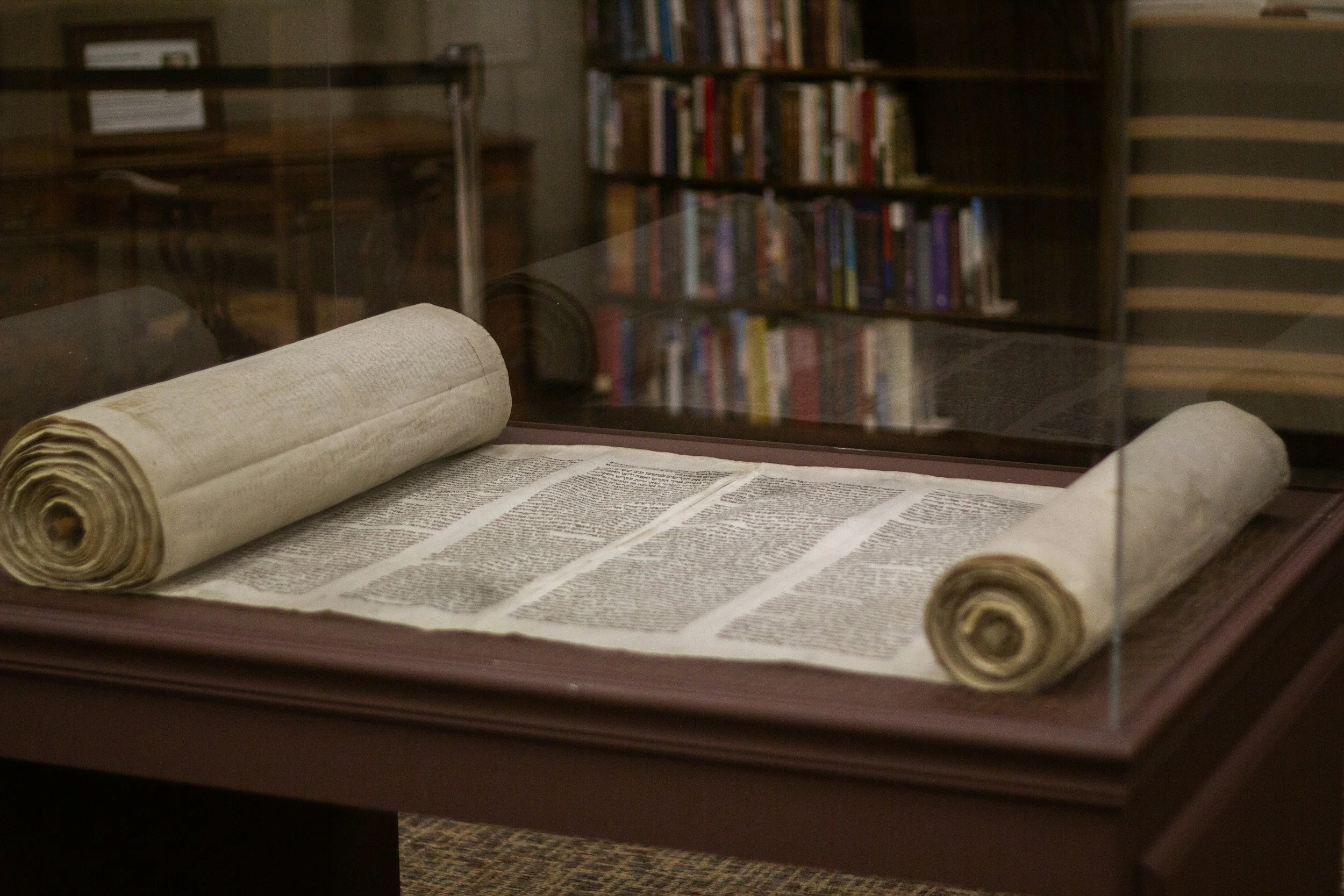
Who wrote the Pentateuch?
Traditionally attributed to Moses, the Pentateuch may reflect centuries of editing and multiple sources. Discover what scholars and faith traditions say about its authorship.
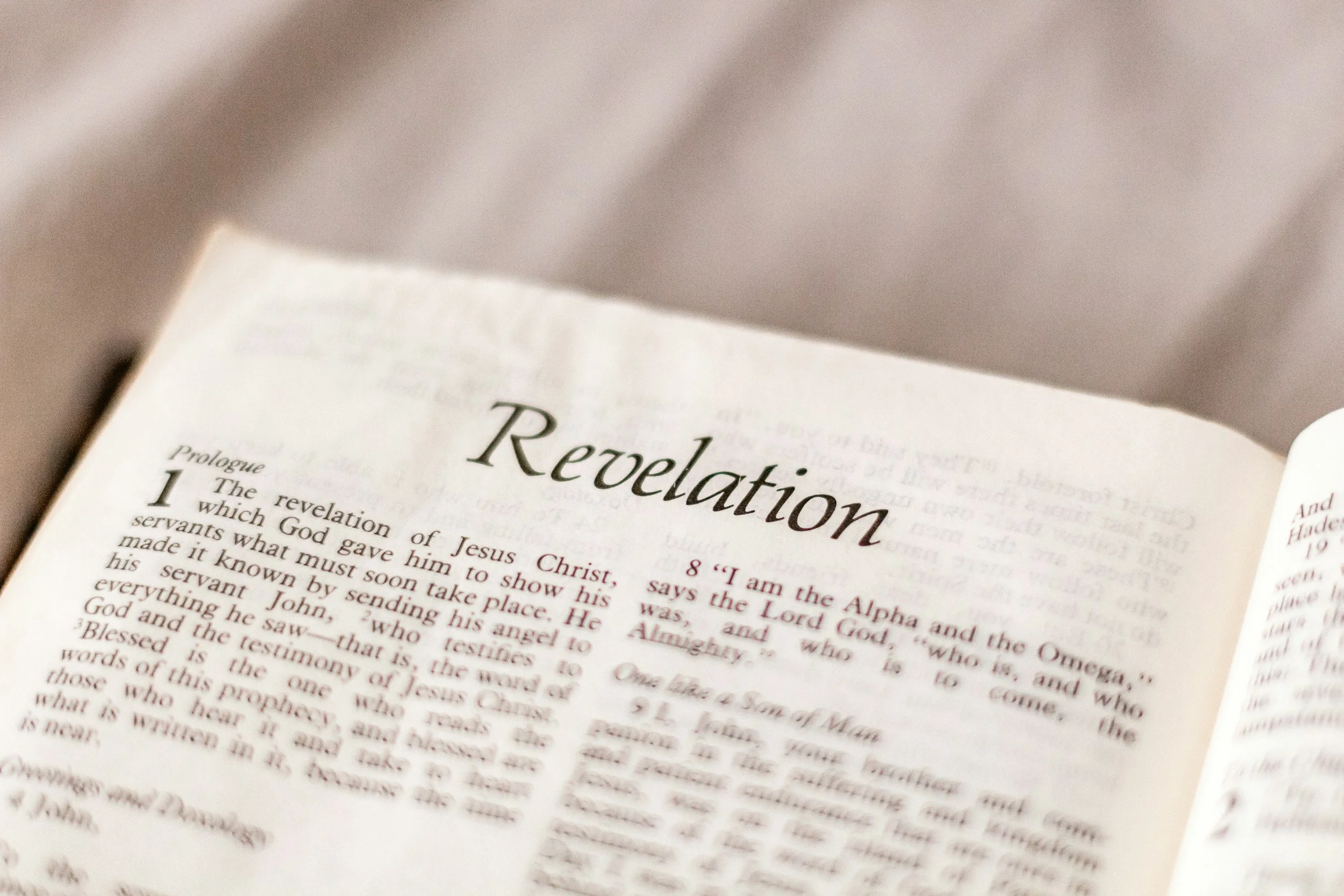
What Was the Last Book of the Bible Written?
The Book of Revelation is widely believed to be the last book of the Bible written, around 95–96 CE. Discover why it stands as the Bible’s final word.

The Last Word of the Bible
The last word of the Bible is “Amen” (Revelation 22:21). Discover its meaning, origin, and how this single word of faith brings Scripture’s story to a perfect close.
How Many Parables Are in the Bible?
The Bible contains about 40 parables of Jesus across Matthew, Mark, and Luke. Explore their purpose, meaning, and why these short stories still reveal God’s kingdom today.
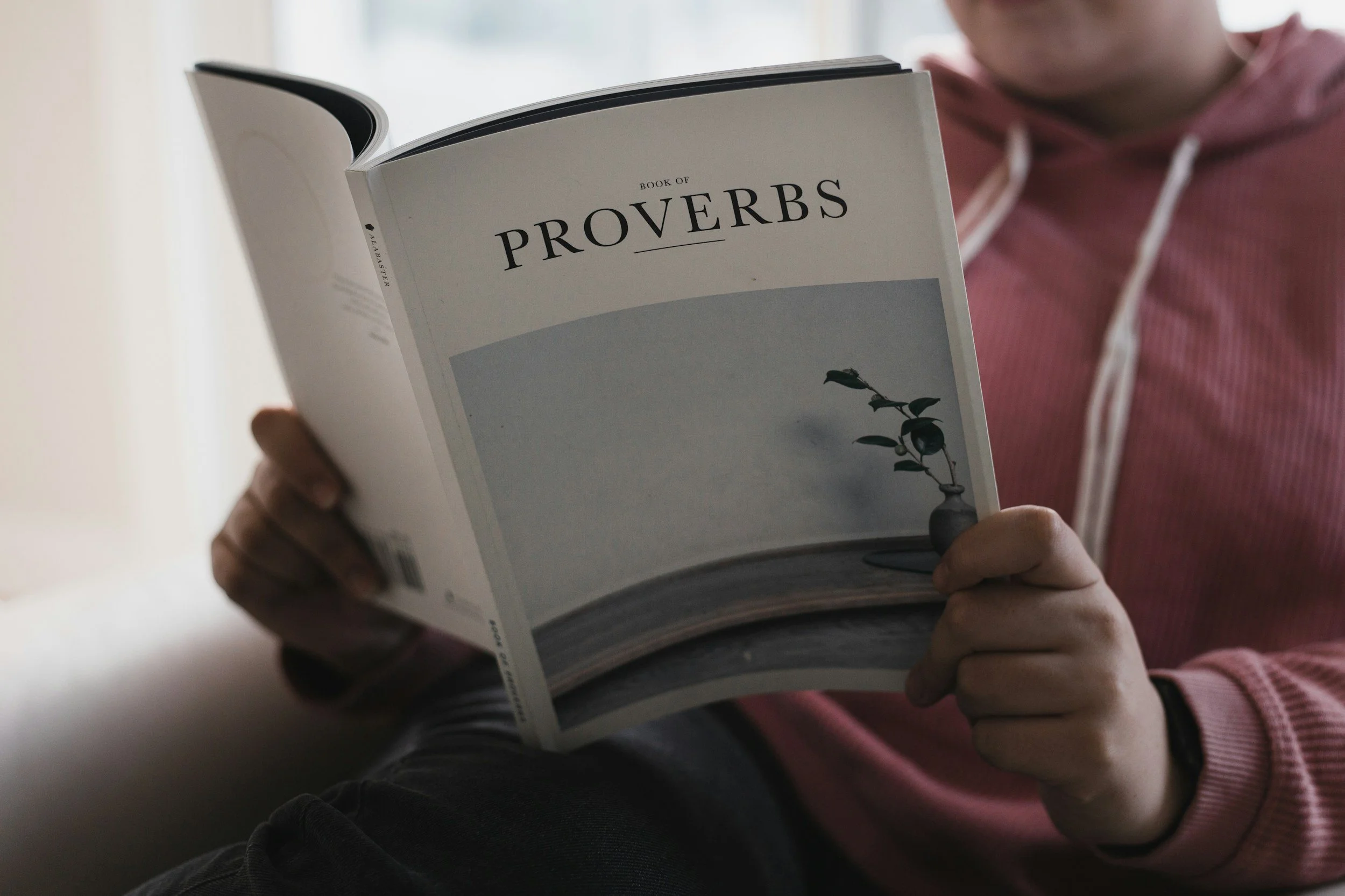
How Many Proverbs Are in the Bible?
The Book of Proverbs contains about 915 sayings and references Solomon’s 3,000 proverbs. Explore their purpose, structure, and how biblical wisdom still speaks today.
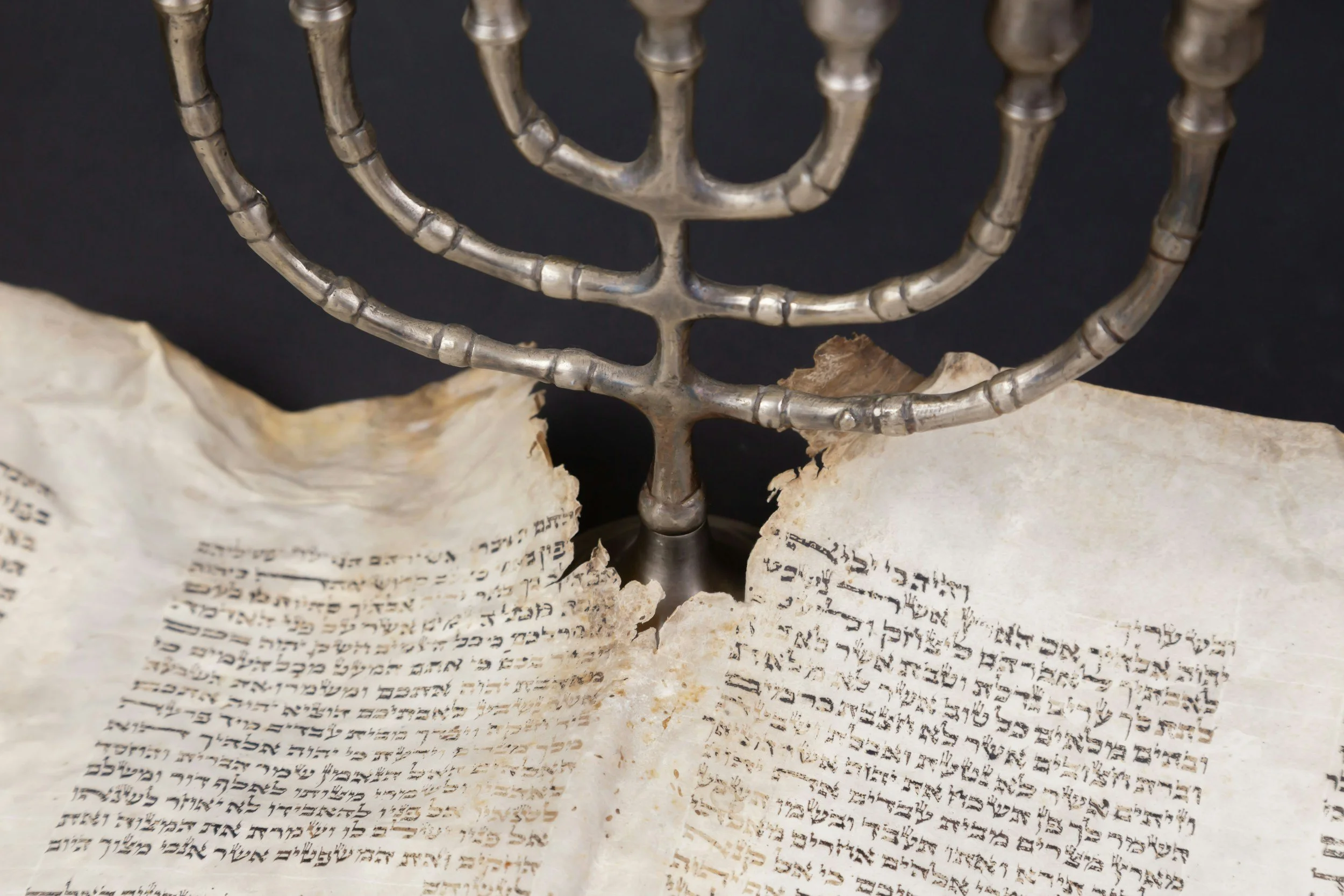
How Many Laws Are in the Bible?
The Bible contains 613 laws in the Torah, including moral, ceremonial, and civil commands. Learn their purpose, meaning, and how Jesus fulfilled them through love.

How Many Genealogies Are in the Bible?
The Bible contains about 25 genealogies, from Adam to Jesus. Learn their purpose, how they connect God’s promises through generations, and why they still matter for faith today.
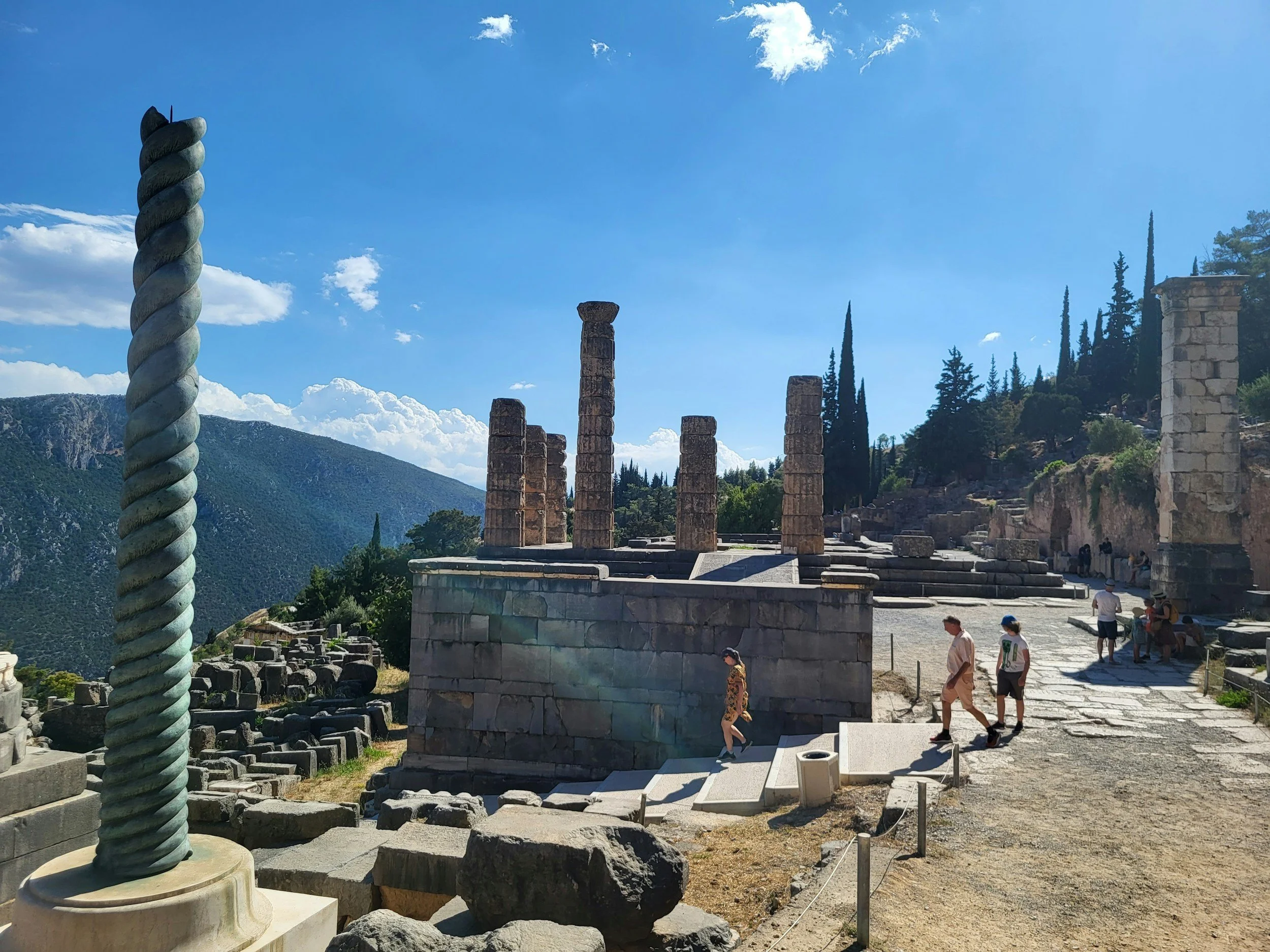
How Many Prophecies Are in the Bible?
The Bible contains over 1,800 prophecies across 8,000 verses, including more than 300 about Jesus. Discover how prophecy reveals God’s faithfulness and plan for humanity.
How many promises are in the Bible?
The Bible contains around 7,000 to 8,000 promises from God to humanity. Explore their meaning, examples, and how each one reflects God’s enduring faithfulness.
How Many Commands Are in the Bible?
There are about 613 commands in the Old Testament and over 1,000 in the New. Learn what these biblical commands reveal about love, faith, and God’s will for our lives.

How Many Questions are in the Bible?
The Bible contains about 3,300 questions, from God’s first to humanity’s last. Discover what these questions reveal about faith, honesty, and divine conversation.
How many times does “Selah” appear in the Bible?
Selah appears 74 times in the Bible—71 in Psalms and 3 in Habakkuk. Learn its meaning, mystery, and how this ancient word invites reflection and worship.
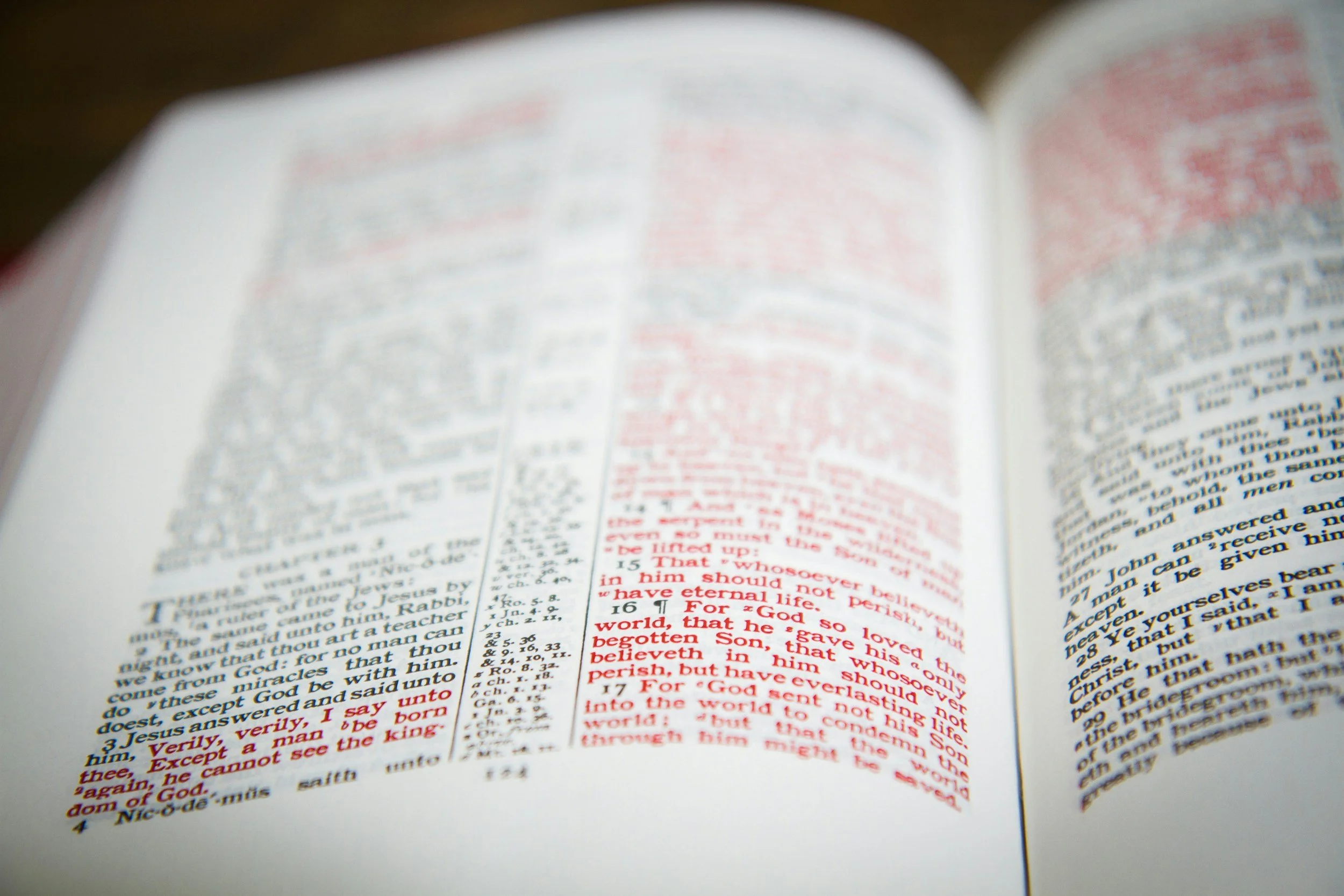
How many words of Jesus are in the Bible?
Discover how many words of Jesus are in the Bible, explore the red-letter tradition, and learn why his words still speak powerfully today.
Longest Word in the Bible (Maher-shalal-hash-baz)
Maher-shalal-hash-baz, found in Isaiah 8:1–3, is the longest word in the Bible. Meaning “swift to the plunder, quick to the spoil,” it symbolizes God’s swift judgment and the certainty of his promises.
Middle Chapter in the Bible (Psalm 117 or 118)
Psalm 117 and Psalm 118 stand at the Bible’s midpoint, forming its heart—Psalm 117 calls all nations to praise, and Psalm 118 invites every believer to trust in the Lord’s steadfast love.

Middle verse in the Bible (Psalm 118:8)
Many English Bibles cite Psalm 118:8 as the “middle verse.” Whether or not it is exact across traditions, this line centers faith: take refuge in the Lord, not in mortals.

Shortest Book in the Bible (Obadiah, 2 John, 3 John)
Obadiah, 2 John, and 3 John are the shortest books in the Bible. Each delivers a timeless message—justice, truth, and love—showing that God’s Word can speak powerfully in just a few verses.

Longest book in the Bible (Psalms or Jeremiah)
Psalms is the longest book in the Bible by chapters, while Jeremiah is longest by Hebrew word count. Both reveal the depth of worship and prophecy that anchor the story of faith.
How many Psalms are in the Bible?
There are 150 psalms in the Bible. This collection of prayers and songs reflects every human emotion, teaching believers how to worship, lament, and trust God in all circumstances.