Who Were the Magi?
Quick Summary
The Magi, often referred to as the "wise men" or "kings" in Christian tradition, were likely Persian or Babylonian astrologers or priests who studied the stars. They appear in Matthew 2:1-12, where they follow a star to Bethlehem and present gifts to the infant Jesus. Their identity has sparked centuries of discussion, with theories ranging from Zoroastrian priests to symbolic representations of the Gentile nations. Their inclusion in the nativity story signifies that Christ's birth was for all people, not just Israel.
Introduction: Who Were the Magi?
The story of the Magi captures the imagination like few other parts of the Christmas narrative. Strangers from the East, bearing gold, frankincense, and myrrh, traveling by the guidance of a mysterious star—the account in Matthew 2:1-12 is brief, but it has inspired legends, carols, and crèches for centuries. But who were these visitors, really? Were they kings, astrologers, or something else? What do we actually know from scripture and history?
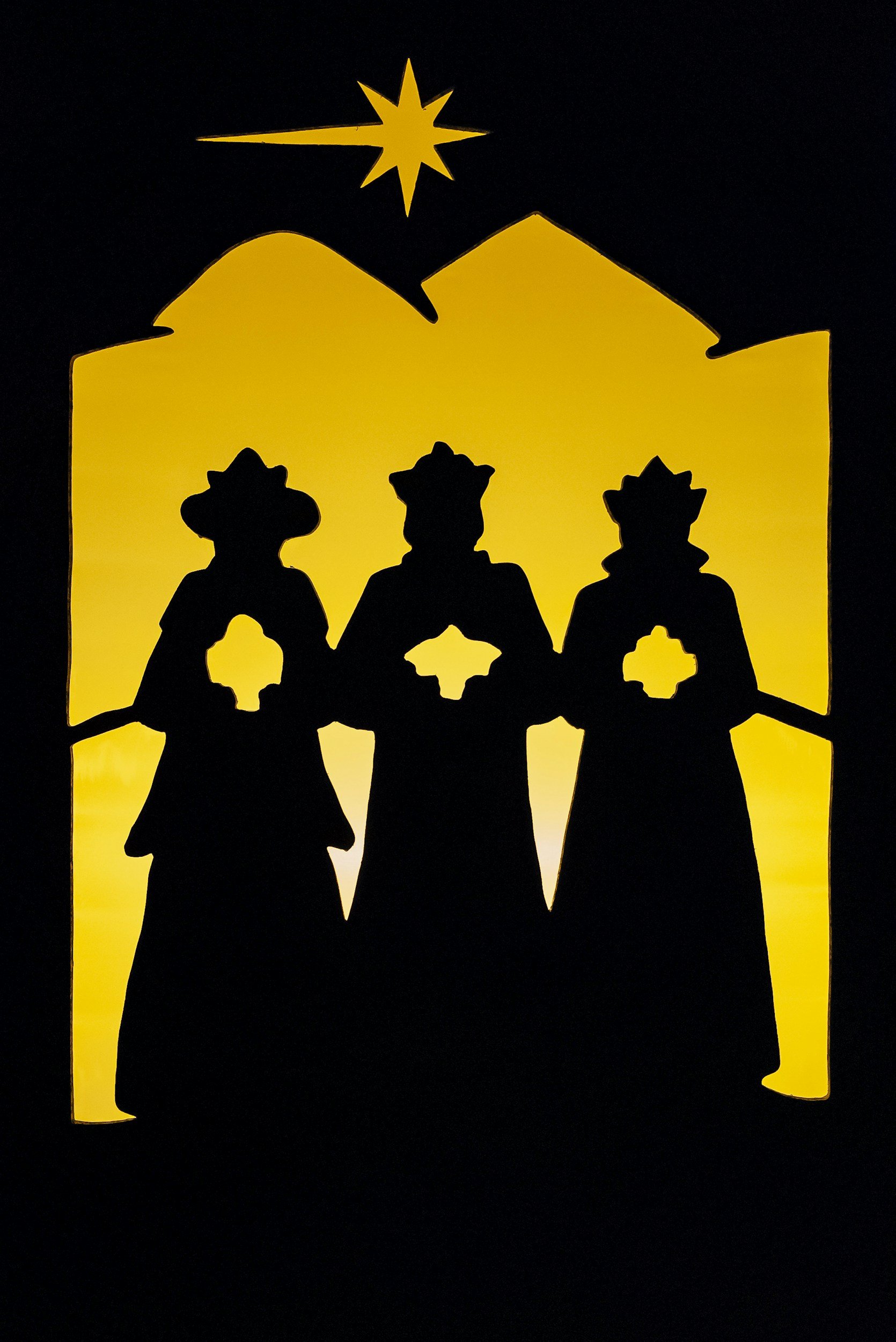
The Magi presented 3 gifts. That does not mean there were only 3 magi.
Biblical Account of the Magi (Matthew 2:1-12)
Matthew 2:1 tells us that "wise men from the East came to Jerusalem, asking, 'Where is the child who has been born king of the Jews?'" The Greek word used is magoi, which can refer to priests, astrologers, or wise men in the Persian tradition. The text does not mention how many Magi came, nor does it name them. The number three is inferred from the gifts presented: gold, frankincense, and myrrh (Matthew 2:11).
They come to Jerusalem seeking the newborn king, causing a stir in Herod's court. Herod then secretly asks them when the star appeared and sends them to Bethlehem. The star leads them to Jesus, and after presenting their gifts, they are warned in a dream not to return to Herod, so they depart by another route (Matthew 2:12).
Historical and Cultural Background
The most likely background for the Magi is that they were part of a priestly class from Persia or Babylon, associated with Zoroastrianism or similar eastern traditions. In these cultures, Magi were interpreters of dreams, watchers of the stars, and advisors to royalty. Their presence in Matthew's Gospel suggests both international recognition of Jesus' birth and the fulfillment of prophecies such as Isaiah 60:3: "Nations shall come to your light, and kings to the brightness of your dawn."
Though later tradition named the Magi Caspar, Melchior, and Balthasar, these names are not found in scripture. The idea of them being kings likely grew out of Old Testament passages such as Psalm 72:10-11 and Isaiah 60:6, which speak of kings bringing tribute and gold.
The Significance of Their Gifts
Each gift the Magi brought carries symbolic weight:
Gold represents kingship and royalty.
Frankincense was used in temple worship, pointing to Jesus’ divinity.
Myrrh was a burial spice, foreshadowing Jesus' death.
These gifts reflect the Christian understanding of Jesus as king, God, and suffering servant. They also emphasize how deeply the story intertwines with both prophecy and mystery.
The Star of Bethlehem
Much has been written about the star that led the Magi. Some scholars suggest it was a planetary conjunction (perhaps Jupiter and Saturn), a comet, or a supernatural event. Matthew 2:9 describes the star as moving ahead of them and stopping over the place where the child was, suggesting this was not an ordinary celestial phenomenon.
Whatever the star was, its presence connects Jesus’ birth to cosmic signs and divine guidance, again pointing to something far greater than a local event.
Symbolism and Theological Implications
The Magi's visit underscores the universal scope of Jesus' mission. While Jewish shepherds receive the angelic announcement in Luke, Gentile wise men from afar recognize and worship the child in Matthew. These stories, placed side by side, suggest that from the beginning, Christ’s coming was for both Israel and the nations.
Their journey also models faithful seeking. The Magi follow a star without knowing exactly where it will lead. They respond to divine direction, heed dreams, and ultimately offer costly worship. In this way, they become early examples of those who seek first the kingdom of God (Matthew 6:33).
Were the Magi Real?
Some scholars view the Magi as symbolic characters, while others argue for their historical plausibility. The existence of eastern astrologers who interpreted celestial phenomena is well documented in ancient sources. While Matthew's account is the only canonical mention, it aligns with known historical practices of foreign dignitaries honoring royal births with gifts.
The brevity of the account does not diminish its theological depth. Whether symbolic, historical, or both, the Magi represent an early and powerful acknowledgment of Jesus' identity.
Who Were the Magi? Meaning for Today
For readers today, the Magi challenge us to be attentive to the signs of God's work in the world, to seek truth beyond our borders, and to bring the best of what we have in worship. Their presence in the nativity invites us to consider who we include and how wide the circle of grace extends.
They also remind us that sometimes, the most faithful response is not loud proclamation but quiet, reverent awe. These travelers from the East stepped into the story of salvation not with speeches but with gifts, not with credentials but with humility.
FAQs About the Magi
Were the Magi kings? No, the Bible does not call them kings. That tradition developed later, likely based on Old Testament imagery.
How many Magi were there? The Bible doesn’t say. The number three is inferred from the three gifts.
Where did the Magi come from? Most likely from Persia or Babylon, regions known for their learned astrologers.
What do the gifts mean? Gold for kingship, frankincense for divinity, and myrrh for burial—symbolizing Jesus’ full identity.
Why only Matthew mentions them? Each Gospel emphasizes different aspects of Jesus' story. Matthew, writing to a Jewish audience, may have included the Magi to show Gentile recognition of the Messiah.
See Also
Works Consulted
France, R. T. The Gospel of Matthew. Eerdmans, 2007.
Brown, Raymond E. The Birth of the Messiah: A Commentary on the Infancy Narratives in the Gospels of Matthew and Luke. Yale University Press, 1993.
