
Faith the Size of a Mustard Seed: Meaning in Matthew 17:20 and Luke 17:6
What does faith the size of a mustard seed mean? Matthew 17:20 and Luke 17:6 explained: moving mountains, little faith, and what Jesus did not mean.
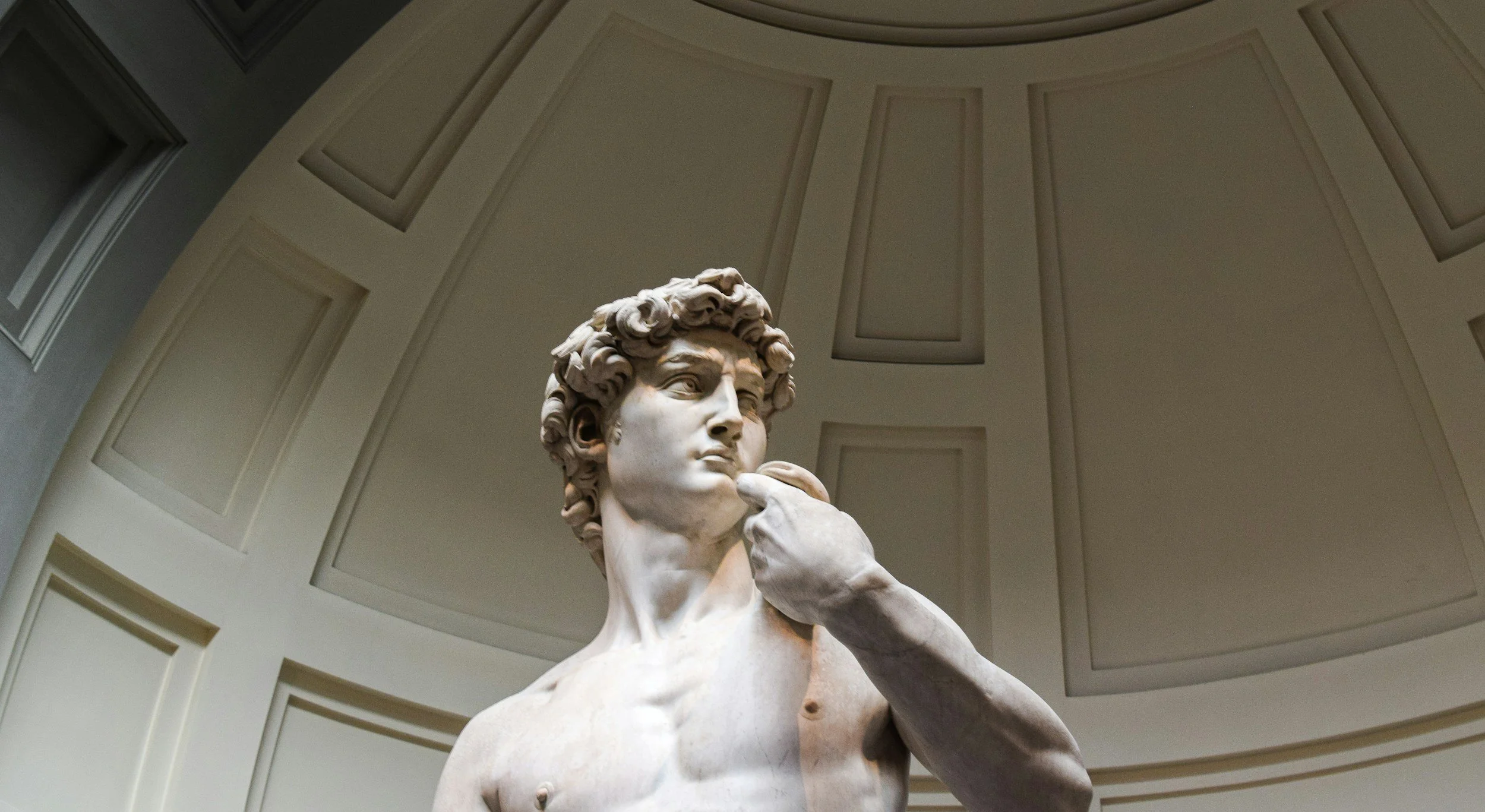
What is the Davidic Covenant?
The Davidic covenant explained: God’s promise in 2 Samuel 7 of a house, a son, a temple and a throne forever, the prophets’ hope for a son of David, and how Jesus fulfills it.

What is the Mosaic Covenant?
The Mosaic covenant explained: God’s covenant with Israel at Sinai, the Ten Commandments and the 613 laws, the Sabbath sign, and whether the law of Moses still applies to Christians.
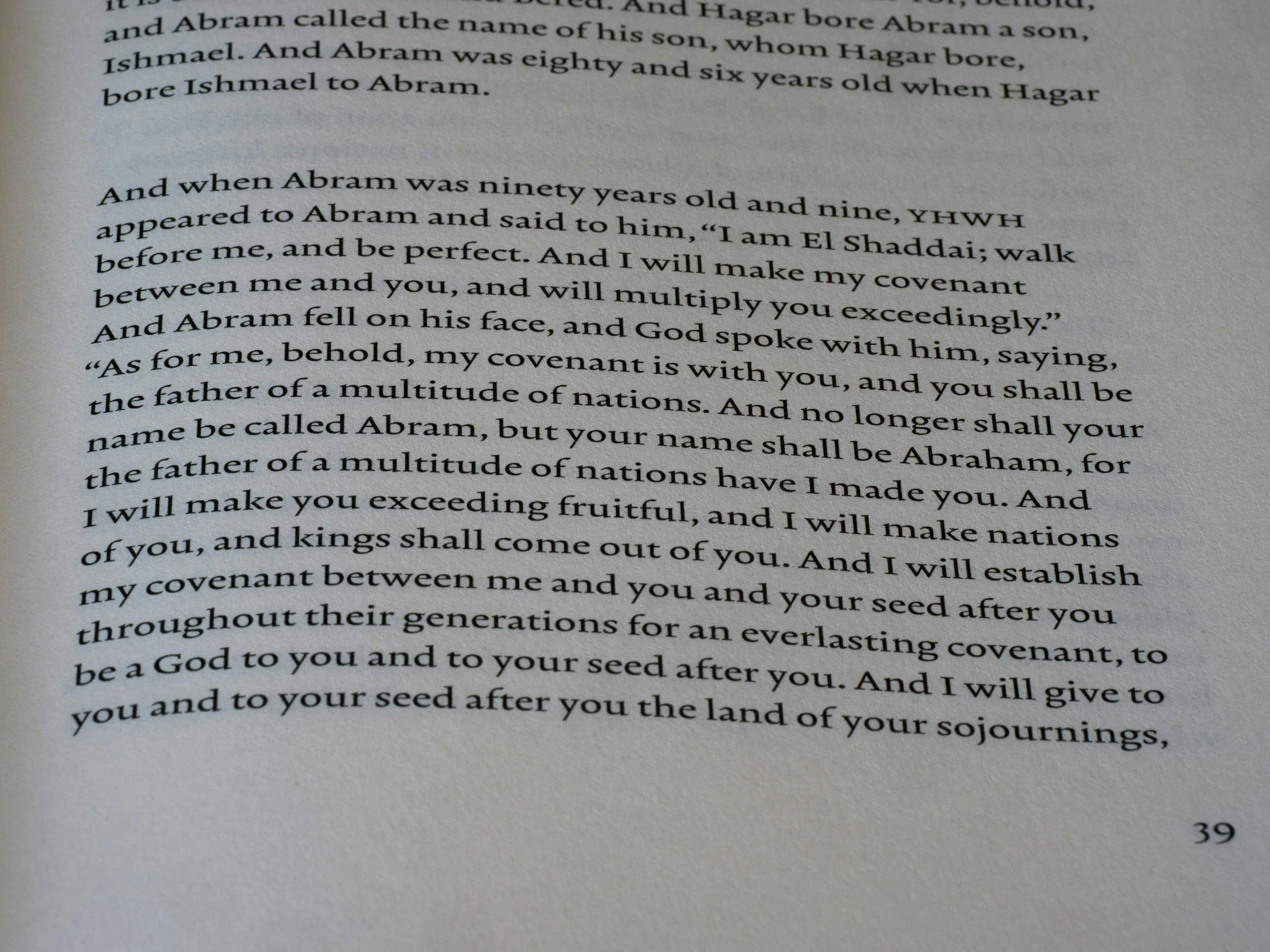
What Is the Abrahamic Covenant?
The Abrahamic covenant explained passage by passage: God’s promises of land, descendants and blessing in Genesis 12, 15, 17 and 22, whether it is conditional, and how the New Testament reads it.
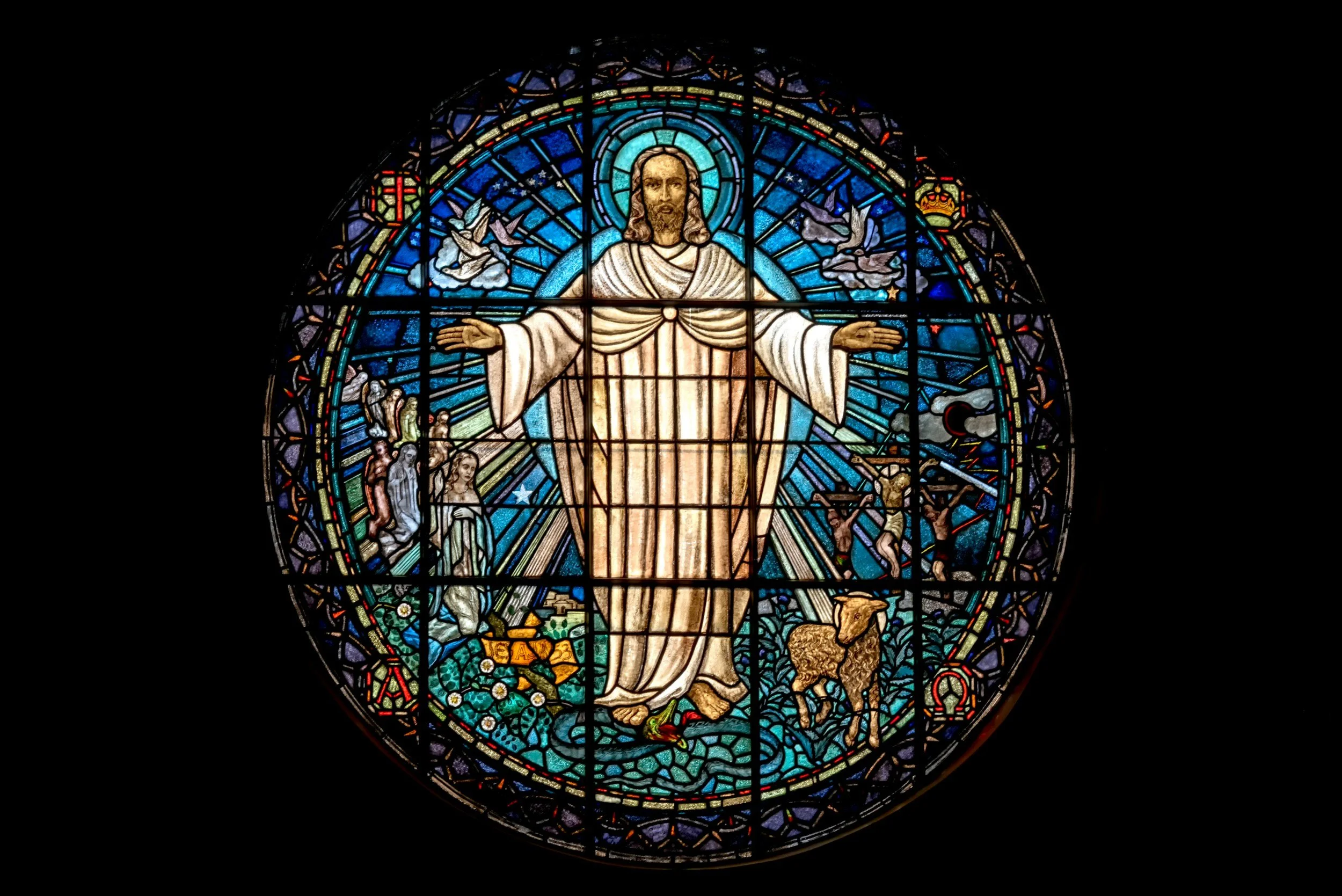
What Is Replacement Theology?
Replacement theology (supersessionism) explained: what it teaches, where it came from, the texts each side cites, and where Catholic, Presbyterian, Lutheran and evangelical churches stand.
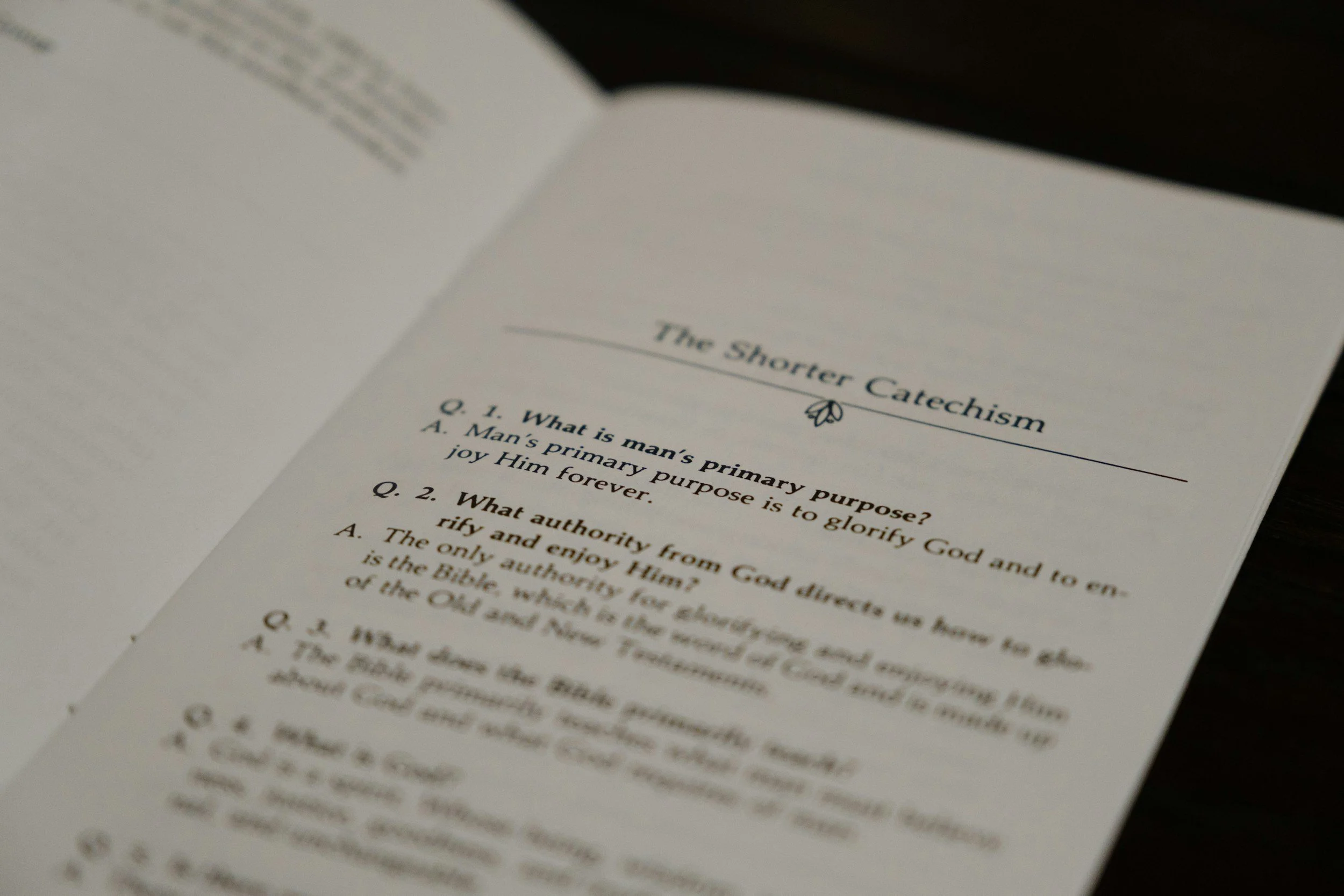
What is Covenant Theology?
Covenant theology explained: the covenants of works and grace, how the biblical covenants fit together, infant baptism, and how it differs from new covenant and dual covenant theology.
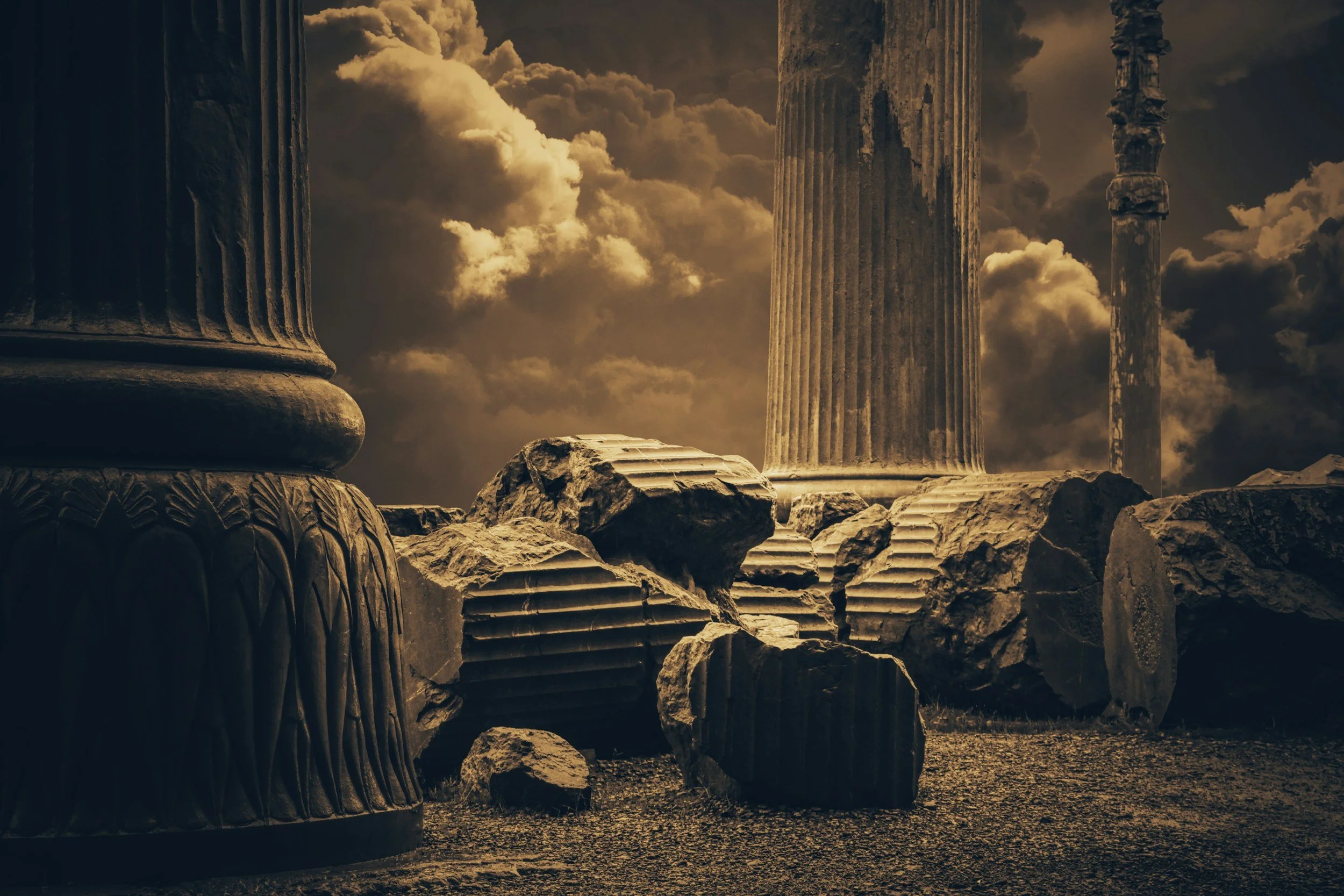
Who Was Ezra in the Bible?
Ezra was a priest and scribe who led exiles home from Babylon and read God’s law aloud in Jerusalem. Learn his story, his mission and Ezra 7:10.

What Is the Remnant in the Bible?
The remnant is the faithful part of God’s people who survive judgment. Its meaning from Noah and Elijah through Isaiah’s “a remnant shall return” to Paul’s “remnant, chosen by grace.”
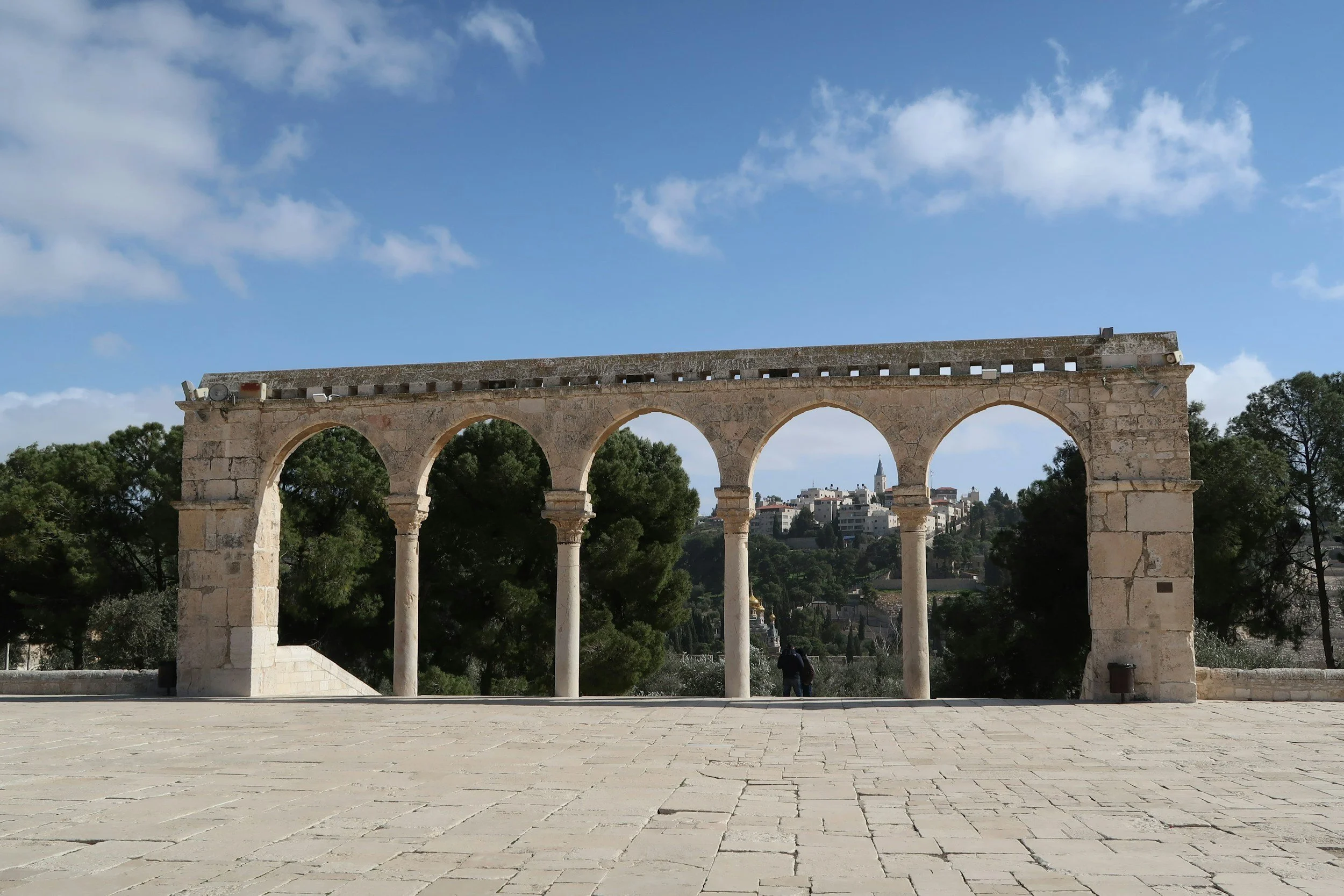
Who Was Zerubbabel in the Bible?
Zerubbabel led the exiles home from Babylon and rebuilt the temple. His royal line, Haggai’s signet ring, “not by might, nor by power,” and his place in Jesus’ genealogy.
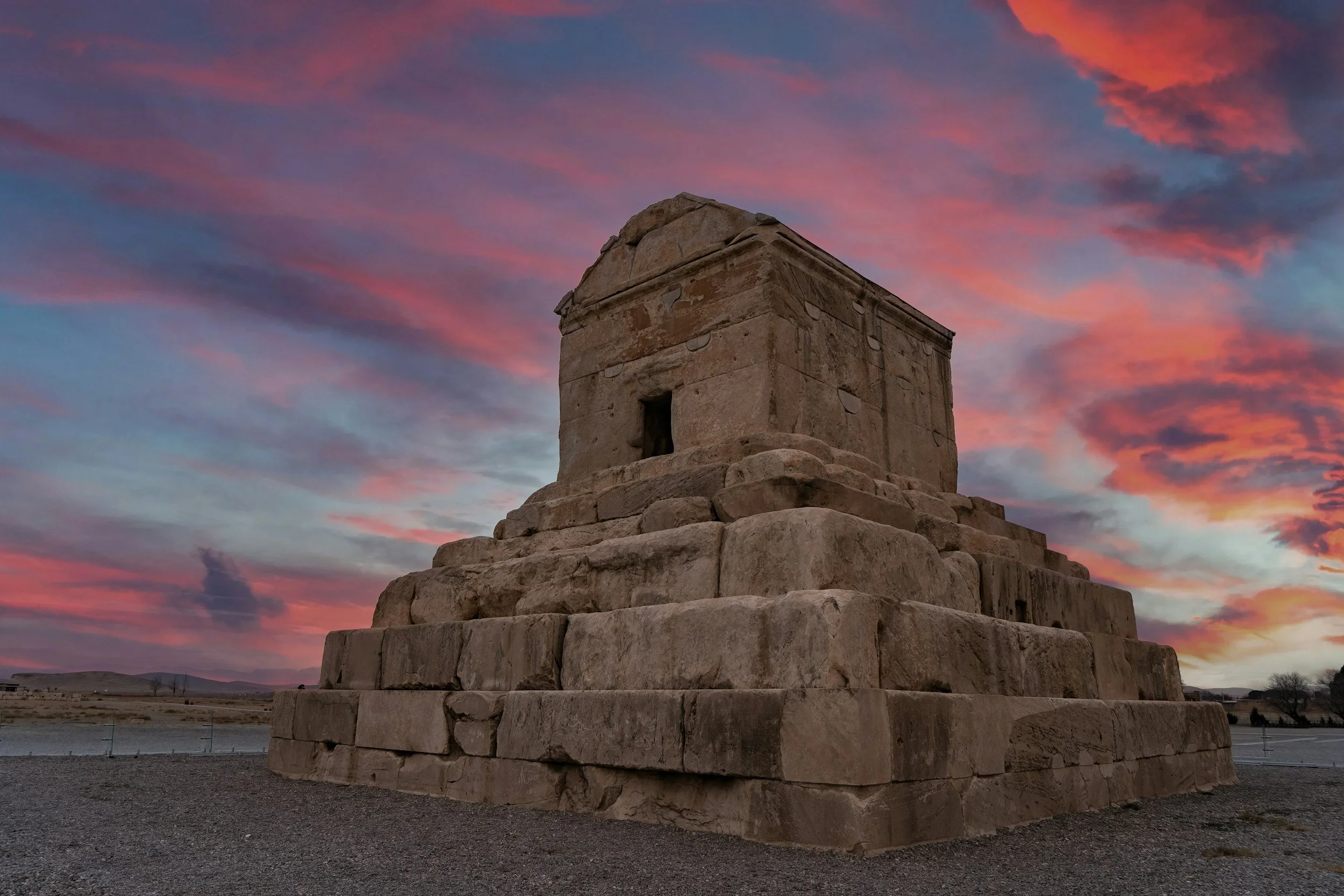
Who Was Cyrus in the Bible?
Cyrus the Great conquered Babylon and sent the exiles home. See what Isaiah, Ezra, Chronicles and Daniel say about the Persian king God called his anointed.
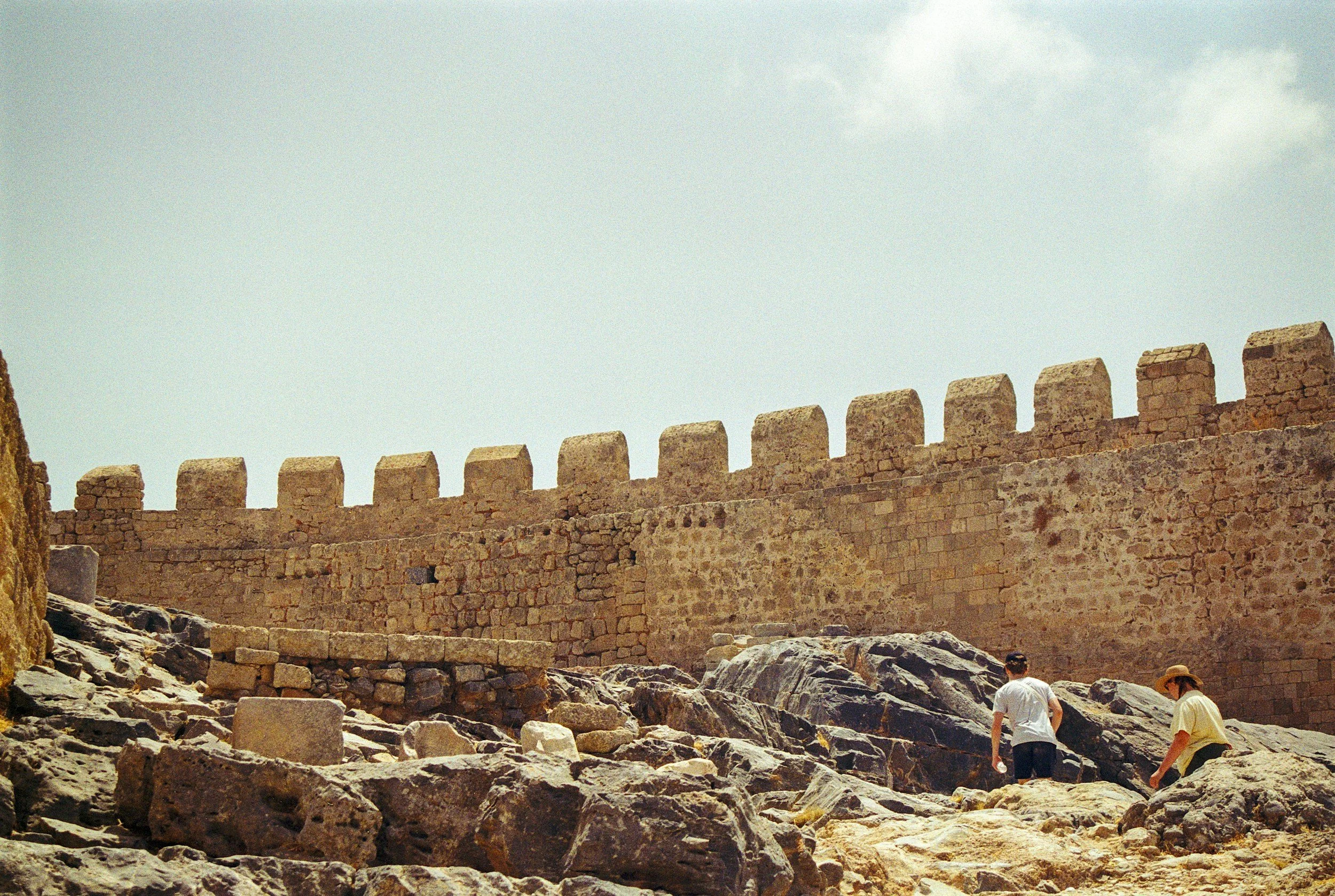
Who Was Nehemiah in the Bible?
Nehemiah was cupbearer to the Persian king who rebuilt Jerusalem’s walls in 52 days. Read his story, his prayers, his enemies and his reforms.

Who Was Esau in the Bible?
Esau was Jacob’s older twin, who sold his birthright for stew, lost his father’s blessing, and then ran to forgive his brother. Read his story.
The Ten Lost Tribes of Israel
The ten lost tribes were the northern tribes of Israel deported by Assyria in 722 BC. Which tribes they were, where they went, whether they were really lost, and the legends since.

The Divided Kingdom of Israel
After Solomon died around 930 BC, Israel split into two kingdoms. Why it happened, how Rehoboam and Jeroboam ruled, how Israel and Judah compared, and how each kingdom fell.

Samaria in the Bible
Samaria was the capital of the northern kingdom of Israel, built by Omri and taken by Assyria in 722 BC. Its kings, prophets, fall, place in the Gospels, and where it is today.
Who Was Jeroboam in the Bible?
Jeroboam was the first king of Israel’s northern kingdom, who set up golden calves at Bethel and Dan. Read his rise, his sin, and Jeroboam II.
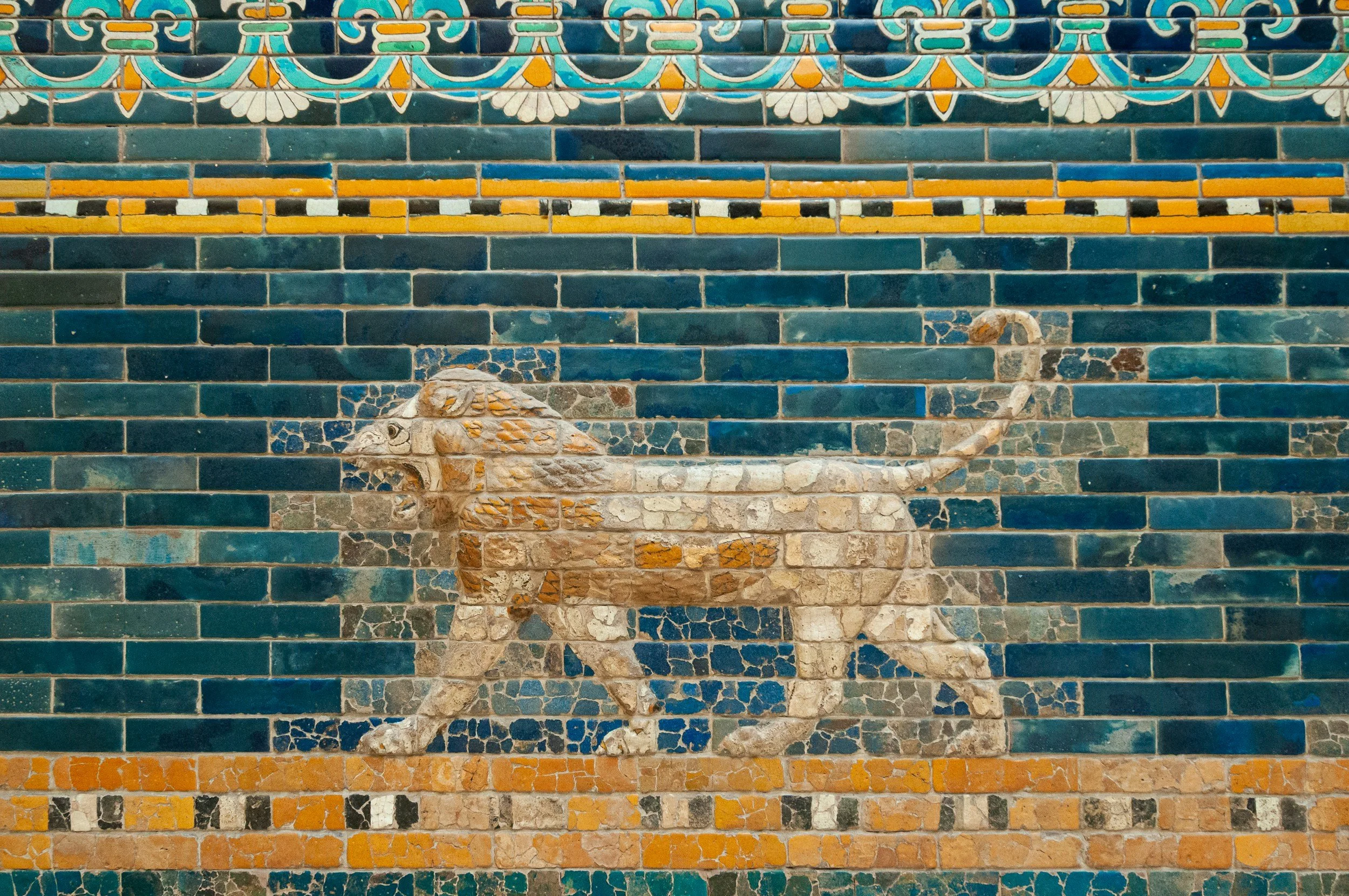
Babylon in the Bible
Where is Babylon today? Its ruins lie in Iraq near Hillah. Explore Babylon’s history, the exile, Mystery Babylon in Revelation 17–18, and what Babylon means now.

Where Was Revelation Written?
Revelation was written on Patmos, a Greek island in the Aegean Sea. Learn why John was exiled there, when he wrote, and what pilgrims can visit today.
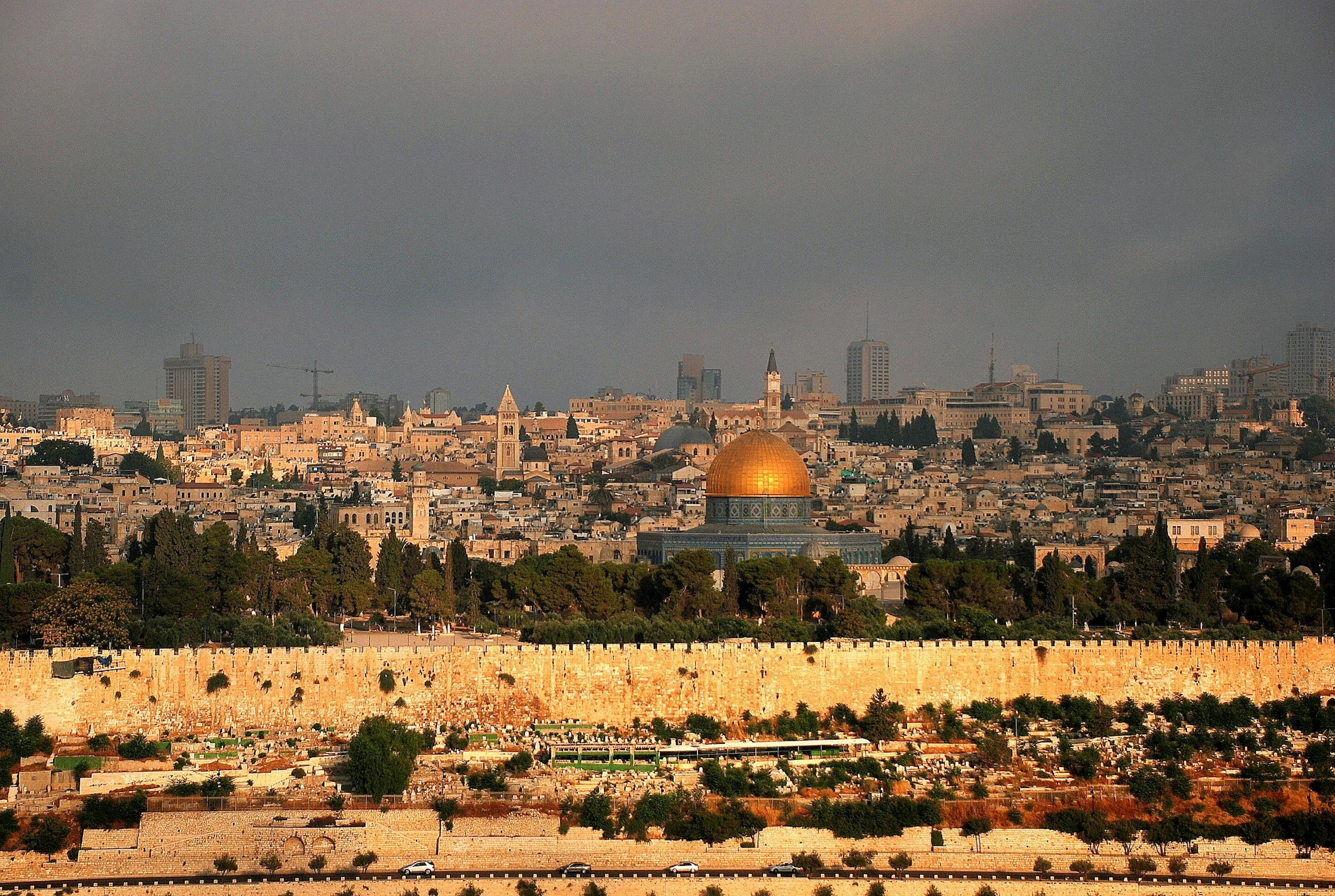
Mount Moriah in the Bible
Mount Moriah is where Abraham offered Isaac and where Solomon built the temple. Where it is today, how it differs from Zion and Golgotha, and what “the Lord will provide” means.
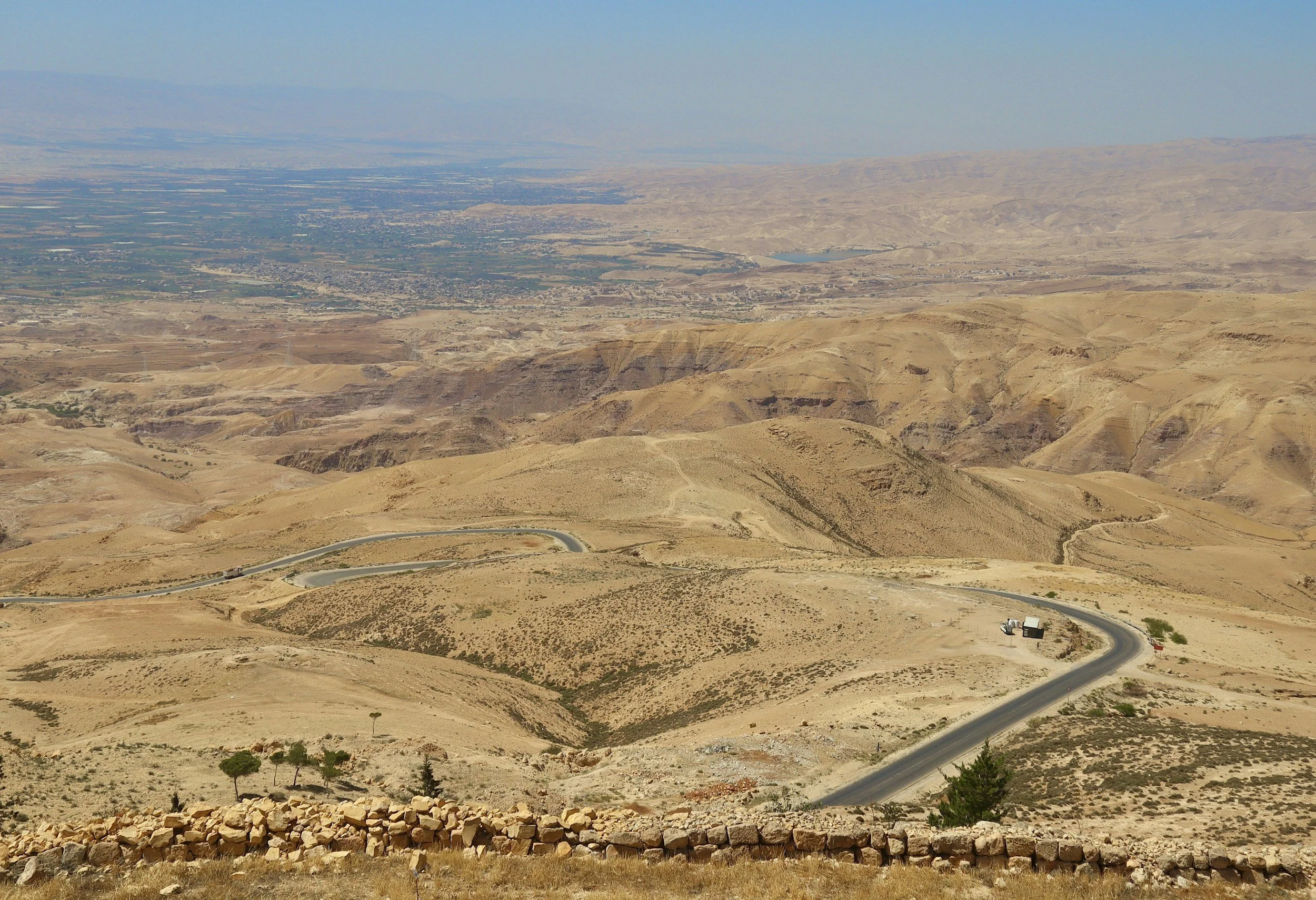
Mount Nebo in the Bible
Mount Nebo in Jordan is where Moses saw the Promised Land and died. Where it is, what he saw from Pisgah, the mystery of his grave, and the memorial church on the summit today.