The Fourth Gospel
John's Gospel stands apart from the Synoptic Gospels: Matthew, Mark, and Luke. There are fewer parables and far more extended teaching from Jesus himself, and where the other Gospels record dozens of miracles, John narrows the list to seven signs, each one chosen to point toward who Jesus is. Here Jesus names himself directly: the bread of life, the light of the world, the resurrection. Light and dark, sight and blindness, and other threads of symbolism run through nearly every chapter. Explore the grouped articles below, or jump to the chapter-by-chapter verse studies linked from this page.
Start here
Structure and Outline of John
A map of the whole book before you dive into any one chapter: the Prologue, the Book of Signs, the Book of Glory, and the Epilogue, and how they fit together.
Read the overviewBackground & Themes
21 articles
Who wrote it, when, for whom, and the ideas that run underneath every chapter: light and darkness, glory, the Logos, eternal life, and how John's telling compares to Matthew, Mark, and Luke.
- Who Wrote the Gospel of John
- When Was the Gospel of John Written
- Who Was the Gospel of John Written For?
- The Purpose of John's Gospel (John 20:30-31)
- Why the Gospel of John Is Called the Spiritual Gospel
- What Makes John Different
- Gospel of John vs. Synoptic Gospels: A Comparison
- Structure and Outline of John
- Themes in the Gospel of John
- High Christology in the Gospel of John
- Dualism in the Gospel of John: Light vs. Darkness, Truth vs. Lies
- Symbolism in the Gospel of John: Light, Water, Bread, and Vine
- Eternal Life in the Gospel of John
- Jesus as the Logos: Meaning of “In the Beginning Was the Word”
- The Holy Spirit in the Gospel of John: The Paraclete Passages
- The Johannine Community: What Do We Know?
- The Pattern of Discipleship in the Gospel of John
- Historical Context of the Gospel of John (1st Century Judaism & Rome)
- Famous Verses in the Gospel of John (Beyond John 3:16)
- How Many Times Did Jesus Predict His Death?
- The Three Times Jesus Wept and What We Can Learn From It
The 7 Signs
8 articles
John doesn't call them miracles. He calls them signs, deliberately chosen and arranged to point past the act itself to who Jesus is.
- The 7 Signs of Jesus in the Gospel of John
- Sign 1: Water Into Wine at Cana (John 2:1-11)
- Sign 2: Healing the Official's Son (John 4:46-54)
- Sign 3: Healing at the Pool of Bethesda (John 5)
- Sign 4: Feeding the Five Thousand (John 6:1-15)
- Sign 5: Walking on Water (John 6:16-21)
- Sign 6: Healing the Man Born Blind (John 9:1-23)
- Sign 7: Raising Lazarus From the Dead (John 11:38-44)
Only in John
Nine things this Gospel does that the other three don't.
No parables
John never uses the word. Jesus speaks in extended discourse and vivid images instead: vines, gates, shepherds, bread.
No exorcisms
Seven signs, and not one of them is a demon cast out, a scene that appears again and again in Matthew, Mark, and Luke.
The shortest verse in the Bible
"Jesus wept" (John 11:35) is two words in most English translations, sitting at the emotional center of the Lazarus story.
No bread and cup
John gives five chapters to the night before the cross but never narrates the bread and wine. He tells the foot washing instead, a scene the other Gospels leave out.
The longest unbroken teaching in any Gospel
The Farewell Discourse, John 14 through 17, is four straight chapters of Jesus speaking almost without interruption.
"I Am" echoes the burning bush
Each "I am" saying reaches back to Exodus 3:14, where God tells Moses his name is "I AM." John's first readers would have caught it immediately.
The author never gives his name
He calls himself "the disciple whom Jesus loved," a title that has shaped nearly two thousand years of guesswork about who wrote this Gospel.
Mary is never named
Jesus' mother appears at Cana and at the cross, and John calls her only "the mother of Jesus," or simply "Woman."
The eagle
Early tradition paired each Gospel with one of the four living creatures from Ezekiel and Revelation. John got the eagle, the one that flies highest.
The 7 "I Am" Sayings
8 articles
Seven times John records Jesus naming himself directly, each one a claim the Gospel spends its surrounding chapters unpacking.
Character Studies
15 articles
John's Gospel is full of individual encounters. Grouped below by their part in the story, from the first disciples to the people who buried Jesus.
Disciples & Seekers
- N Nathanael in the Bible: Under the Fig Tree in John 1
- A Andrew in the Bible: Following Jesus in the Gospel of John
- P Philip in the Bible: Come and See in the Gospel of John
- T Thomas in the Bible: Doubt and Belief in the Gospel of John
- N Nicodemus in the Bible: His Story in the Gospel of John
- U Understanding Nicodemus: A Study of John 3
- N Nicodemus and the Woman at the Well: A Comparison
- T The Beloved Disciple in the Bible: Witness in the Gospel of John
The Bethany Family & Women Witnesses
- M Martha in the Bible: Faith and Confession in John 11
- L Lazarus in the Bible: Raised from the Dead in John 11
- M Mary of Bethany in the Bible: Anointing Jesus in John 12
- M Mary Magdalene in the Bible: First Witness of the Resurrection in John 20
Opposition & the Passion Narrative
No articles matched your search. Try a different word, or browse by section above.
Stay in the Word
A few times each month I send out a newsletter that contains reflections on Scripture, theology, and provides Bible study resources. Want to receive that?
Read John Chapter by Chapter
Every passage in the Gospel of John, organized chapter by chapter with a summary for each and a link to the full commentary on every section, verse, and story.
Browse the full outline
Gospel of John 19 Outline and Meaning
John 19 tells of Jesus’ trial, crucifixion, death, and burial. Explore its outline, themes, and meaning, and discover the triumph of the cross: “It is finished.”

Gospel of John 18 Outline and Meaning
John 18 tells of Jesus’ arrest, Peter’s denial, and his trial before Pilate. Discover its outline, themes, and meaning, and see Christ’s authority in the midst of suffering.

Gospel of John 16 Outline and Meaning
John 16 prepares disciples for sorrow, persecution, and the Spirit’s coming. Explore its outline, themes, and meaning, and find peace in Christ’s victory.

Gospel of John 15 Outline and Meaning
John 15 presents Jesus as the true vine, calling disciples to abide, bear fruit, love one another, and endure opposition with the Spirit’s help. Explore its outline and meaning today.

Gospel of John 14 Outline and Meaning
John 14 comforts fearful hearts: Jesus is the Way, the Truth, and the Life; he prepares a place, sends the Spirit, and gives peace. Explore its outline, themes, and meaning.

Gospel of John 12 Outline and Meaning
John 12 moves from Mary’s anointing to the triumphal entry and Jesus’ teaching on his death. Discover its outline, themes, and meaning for discipleship today.

Gospel of John 11 Outline and Meaning
John 11 tells of Jesus raising Lazarus, revealing him as the Resurrection and the Life. Explore the outline, themes, and meaning for faith and discipleship today.

Andrew in the Bible: The Power of Bringing People to Jesus
Andrew in John’s Gospel quietly shows what it means to follow Jesus: to invite, to notice, to bring. His story reveals that discipleship grows through small, faithful acts of witness.

The Beloved Disciple of Jesus: Who Was He in the Gospel of John?
The Beloved Disciple in John’s Gospel models intimacy with Jesus and faithful witness. Early church tradition identified him as John the Apostle. His story shows that discipleship begins with being loved and bearing testimony.
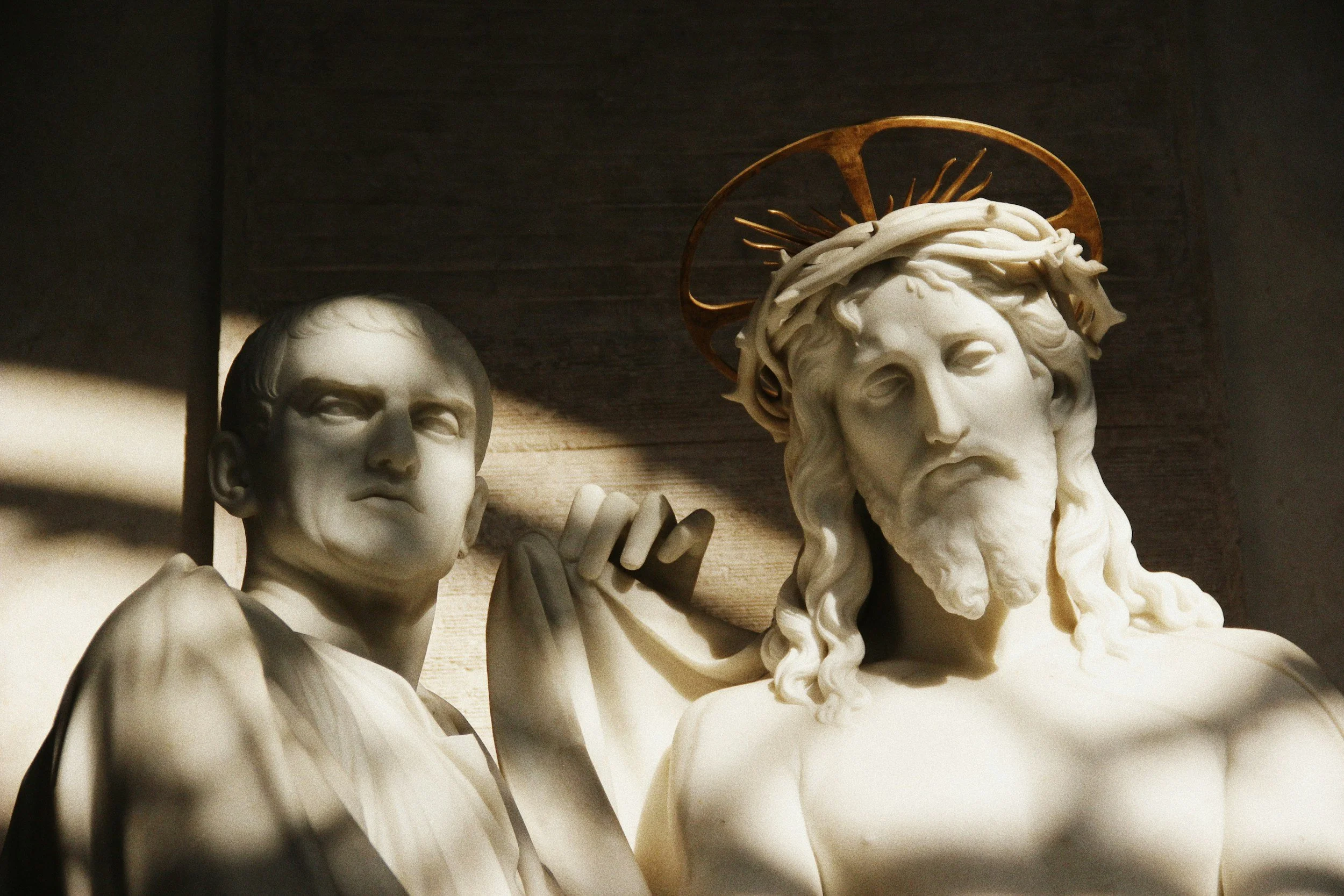
Pontius Pilate in the Bible: Trial of Jesus in John 18–19
Pontius Pilate in John 18–19 wavers between fear and truth. His trial scene reveals Jesus’ kingship and shows that true authority belongs not to Rome but to Christ.
Caiaphas in the Bible: High Priest in the Gospel of John
Caiaphas, high priest in John’s Gospel, plots Jesus’ death yet unknowingly prophesies salvation. His story reveals how God’s purposes unfold even through human opposition.

Joseph of Arimathea in the Bible: Burial of Jesus in John 19
Joseph of Arimathea, a secret disciple, buried Jesus in John 19. His quiet courage shows how small, faithful acts honor Christ and prepare the way for resurrection.

Gospel of John 9 Outline and Meaning
John 9 tells of Jesus healing a man born blind, revealing him as the Light of the World. Explore its outline, themes, and meaning for discipleship today.
Martha in the Bible: Faith and Confession in John 11
Discover Martha’s confession of faith in John 11. In the midst of grief, Martha proclaims Jesus as the Messiah and Son of God, offering a model of discipleship today.

Dualism in the Gospel of John: Light vs. Darkness, Truth vs. Lies
The Gospel of John highlights dualism—light vs. darkness, truth vs. lies—as a way of pressing readers to respond to Jesus. Learn what this means for faith today.

Symbolism in the Gospel of John: Light, Water, Bread, and Vine
Discover the rich symbolism in the Gospel of John—light, water, bread, and vine—and how each reveals Jesus’ identity and offers life, hope, and faith today.

Eternal Life in the Gospel of John
In John’s Gospel, eternal life is not just a future hope but a present reality. Discover how John defines eternal life as knowing God through Christ, both now and forever.
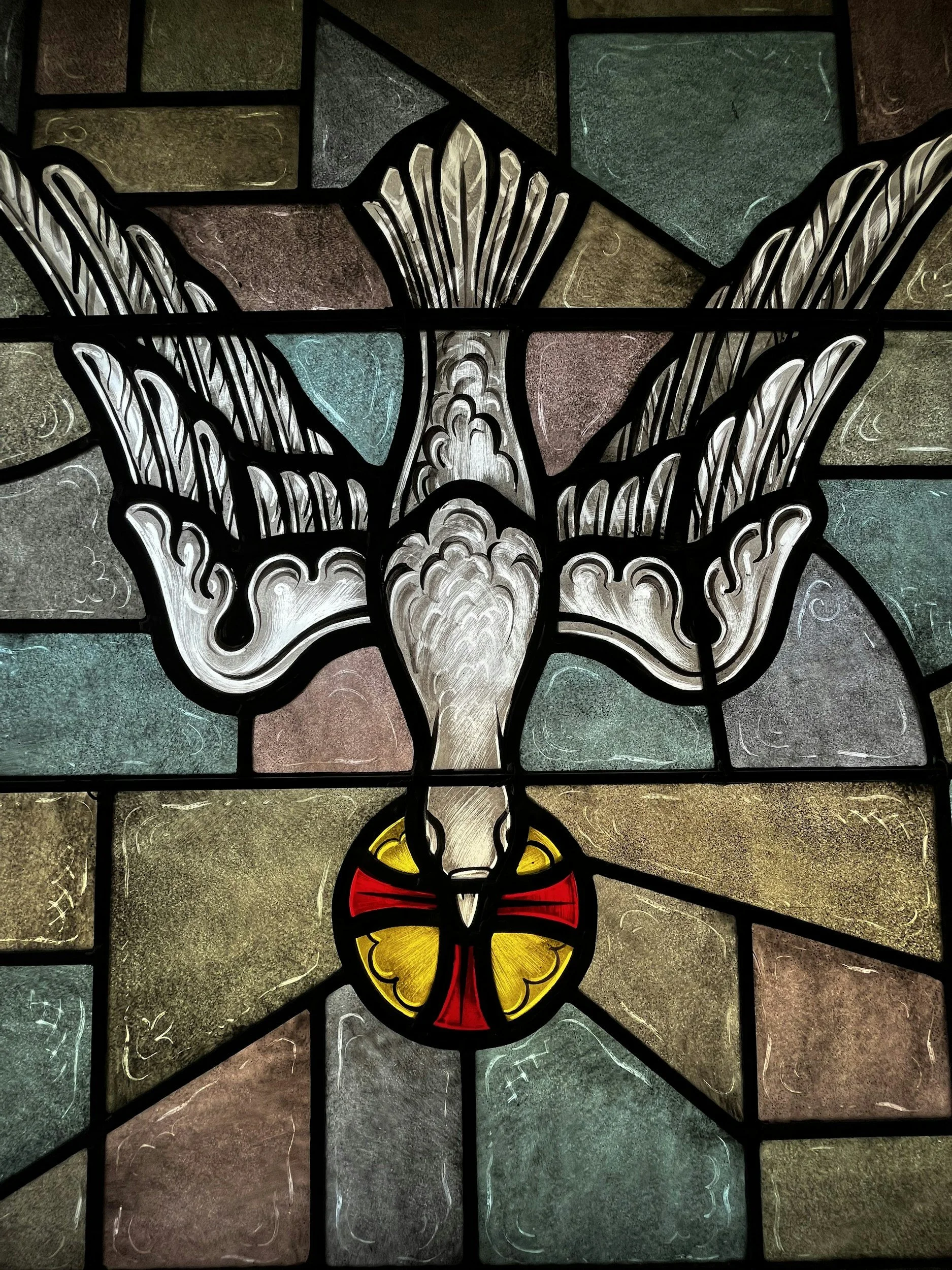
The Paraclete in John: Meaning of the Holy Spirit as Advocate
The Gospel of John calls the Holy Spirit the Paraclete—advocate, helper, and guide. Discover what Paraclete means in Greek, in the Bible, and for believers today.
The Pattern of Discipleship in the Gospel of John: Encounter, Recognition, Confession
Explore the pattern of discipleship in John’s Gospel—encounter, recognition, and confession—through Nathanael, the Samaritan woman, Martha, the blind man, and Thomas.
Mary of Bethany in the Bible: Anointing Jesus in John 12
Discover the meaning of Mary of Bethany anointing Jesus in John 12—an act of love, gratitude, and preparation for his burial that models true discipleship.