
The Light Within (Luke 11:33–36)
Discover the meaning of Luke 11:33-36, where Jesus teaches about spiritual vision, the lamp of the body, and the importance of walking in God’s light. Explore a verse-by-verse breakdown with biblical connections and practical insights for today.

The Sign of Jonah (Luke 11:29–32)
In Luke 11:29-32, Jesus explains the “Sign of Jonah,” calling people to repentance by referencing Jonah’s ministry to Nineveh and his own death and resurrection. This passage highlights the urgency of responding to Jesus’ message of salvation and the greater revelation he offers.

Unclean Spirit Returns (Luke 11:24-28)
In Luke 11:24-28, Jesus warns about the dangers of spiritual emptiness, illustrating how external reform without internal transformation opens the door to greater evil. Discover the deeper meaning of this passage and its call to embrace true repentance and the filling of God’s Spirit.

Jesus and Beelzebul (Luke 11:14–23)
In Luke 11:14-23, Jesus responds to accusations that he casts out demons by the power of Beelzebul, refuting the claim with logical arguments and declaring the arrival of God’s kingdom. This passage highlights the spiritual battle between good and evil, underscoring the necessity of choosing allegiance to Christ. Jesus’ teachings emphasize that division leads to destruction, urging believers to stand firm in faith and recognize his divine authority.

Jesus Teaches the Lord’s Prayer (Luke 11:1-13)
Explore Jesus’ teaching on prayer in Luke 11:1–13, including the Lord’s Prayer, the parable of the persistent friend, and the promise of the Holy Spirit. Learn how to pray with faith, persistence, and trust in God’s goodness.

Mary and Martha (Luke 10:38-42)
Discover the meaning of Jesus’ visit to Mary and Martha in Luke 10:38-42. Explore the tension between busyness and devotion, cultural insights, and how this passage applies to our faith today.

The Parable of the Good Samaritan (Luke 10:25-37)
Explore the Parable of the Good Samaritan (Luke 10:25-37) with a deep verse-by-verse commentary. Discover its rich theological meaning, connections to Christ, and how it challenges us to show mercy like Jesus.

Jesus’ Joy and Thanksgiving (Luke 10:21–24)
In Luke 10:21-24, Jesus rejoices in God’s revelation to the humble, declares His exclusive role in knowing the Father, and blesses His disciples for witnessing what prophets longed to see. Discover the deeper meaning of this passage and its relevance today.

Woe to Unrepentant Cities and the Return of the 70 (Luke 10:13-20)
In Luke 10:13-20, Jesus warns unrepentant cities, emphasizing the consequences of rejecting him. When the seventy return victorious, he redirects their joy from power to salvation. Discover the deeper meaning of this passage and its relevance for today.

Sending Out the Seventy (Luke10:1–12)
Explore the powerful sending out of the seventy disciples in Luke 10:1-12. Learn about Jesus’ instructions for evangelism, the urgency of the mission, and the importance of dependence on God. Discover practical lessons for today’s believers as we continue the work of proclaiming the Kingdom of God.

The Cost of Discipleship (Luke 9:57-62)
In Luke 9:57-62, Jesus teaches the true cost of discipleship, challenging us to prioritize His call above all else. This passage explores the urgency of following Jesus, the challenges of worldly attachments, and the radical nature of his kingdom. Discover what it means to follow Christ with unwavering commitment.

Why Did the Samaritans Reject Jesus? (Luke 9:51–56 Meaning and Commentary)
Discover the meaning of Luke 9:51–56, where the Samaritans reject Jesus. Learn why James and John wanted judgment, how Jesus responded with mercy, and what this story teaches us today.

Jesus Predicts His Death (Luke 9:44-50)
Discover the meaning of Luke 9:44-50, where Jesus predicts his death, redefines greatness, and teaches that those not against him are for him. Explore a verse-by-verse breakdown, theological insights, and practical applications for today.

Jesus Heals a Boy with a Demon (Luke 9:37-43)
In Luke 9:37-43, Jesus heals a boy possessed by a demon, demonstrating His authority over evil and deep compassion for those in need. Explore the meaning of this powerful miracle and what it teaches us about faith, healing, and Jesus’ divine power.
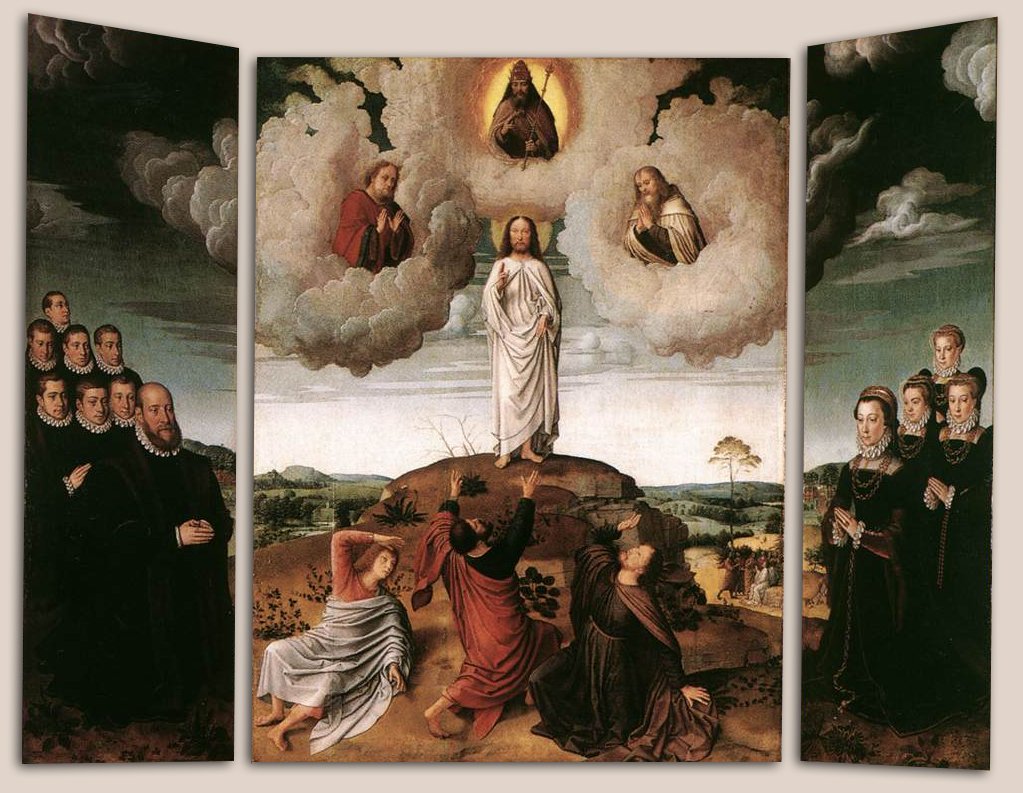
The Transfiguration (Luke 9:28–36)
Explore the significance of the Transfiguration in Luke 9:28–36 with answers to frequently asked questions. Discover the roles of Moses, Elijah, the cloud, and Jesus’ transformation, and learn how this event connects to Jesus’ baptism, prayer, and the resurrection. Deepen your understanding of this pivotal moment in the Gospels.

Jesus Predicts His Death (Luke 9:21–27)
In Luke 9:21–27, Jesus predicts his suffering and death, challenging His disciples to take up their cross and follow him. This passage highlights the true cost of discipleship and the paradox of losing one’s life to gain eternal life. Discover the deeper meaning of following Jesus and the promise of God’s kingdom.

Peter’s Confession (Luke 9:18–20)
Explore the meaning of Peter’s Confession in Luke 9:18-20, where Peter declares Jesus as the Messiah of God. Dive into a verse-by-verse breakdown and uncover the significance of this moment in understanding Jesus’ identity and His mission for today.

Jesus Feeds the Five Thousand (Luke 9:10–17)
In Luke 9:10–17, Jesus performs the miraculous feeding of over five thousand people with just five loaves of bread and two fish, demonstrating His compassion and divine power. This passage highlights Jesus’ ability to provide for physical and spiritual needs, offering a powerful lesson in faith and trust in God’s provision.

Herod’s Perplexity About Jesus (Luke 9:7-9)
Explore Herod’s perplexity about Jesus in Luke 9:7-9, as the ruler grapples with the growing rumors surrounding Jesus’ identity. Discover the tension between power, fear, and curiosity in this pivotal moment of the Gospel.

Sending Out the Twelve (Luke 9:1–6)
Discover the powerful moment when Jesus sends out the twelve apostles in Luke 9:1-6. Explore the meaning behind their mission, the authority Jesus gives them, and what this passage teaches us about faith, trust, and the call to serve.