What Musical Instruments Are Mentioned in the Bible?
Quick Summary
The Bible mentions a wide range of musical instruments, from simple percussion to complex stringed and wind instruments. These instruments appear in worship, celebration, lament, and royal ceremony. Understanding them offers a deeper sense of the world in which biblical worship unfolded and the role music played in shaping Israel’s life with God.
Introduction
Music runs through the pages of Scripture. It rises in celebration after crossing the sea. It echoes in temple courts and accompanies prophetic visions. It helps frame both joy and sorrow. When the psalmist calls the people to praise with trumpet, harp, tambourine, and cymbals, he is describing a world of sound that shaped Israel’s worship. These instruments were part of daily life, carried into festivals, royal events, and solemn moments.
The Bible’s instruments feel both familiar and foreign. They tell us about craftsmanship, culture, and the heart of gathered worship. They also remind us that worship has always included bodies, breath, rhythm, and communal song.
Stringed Instruments
Harp (Kinnor)
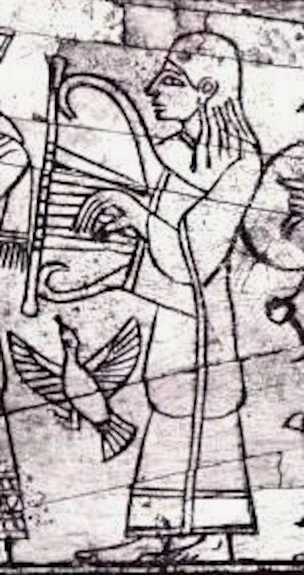
The kinnor is one of the earliest instruments mentioned (Genesis 4:21). It was a small, lyre-like harp associated with joy, celebration, and royal courts. David played the harp for King Saul, offering comfort and easing Saul’s troubled spirit. In psalms of thanksgiving and praise, the harp calls worshipers to lift their hearts toward God.
Image Source, Wikipedia.
Lyre (Nevel)
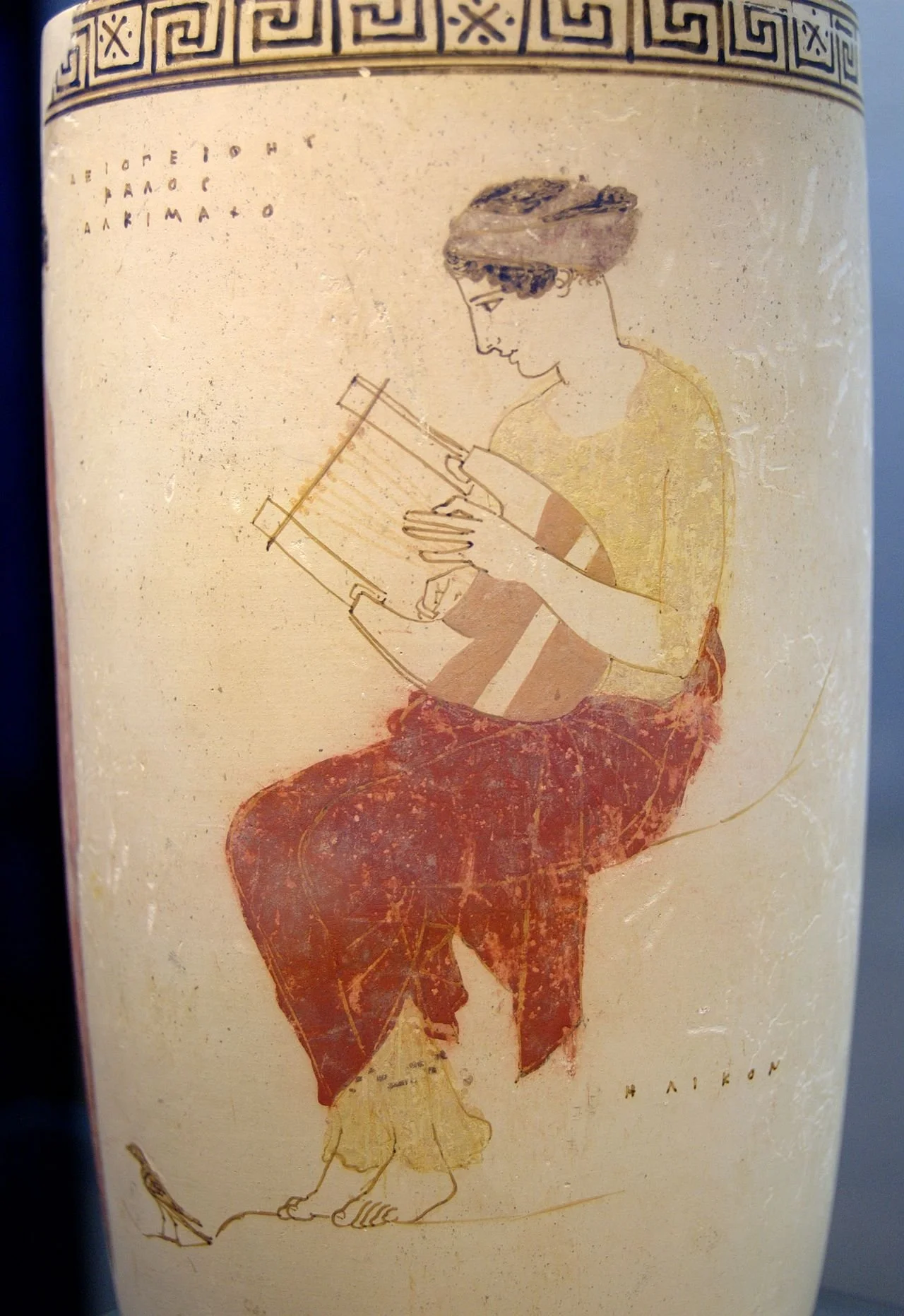
Often paired with the harp, the lyre produced a deeper tone and appears frequently in temple worship. It carried the sound of festivals, processions, and psalms sung in the sanctuary. The lyre formed part of the musical framework of Israel’s liturgical life.
Image Source, Wikipedia.
Ten-Stringed Instruments
Psalms 33:2 and 144:9 mention the ten-stringed instrument, likely a form of extended lyre. Its fuller range allowed for more complex melody, giving structure to the community’s sung prayers.
Wind Instruments
Trumpet (Shofar)
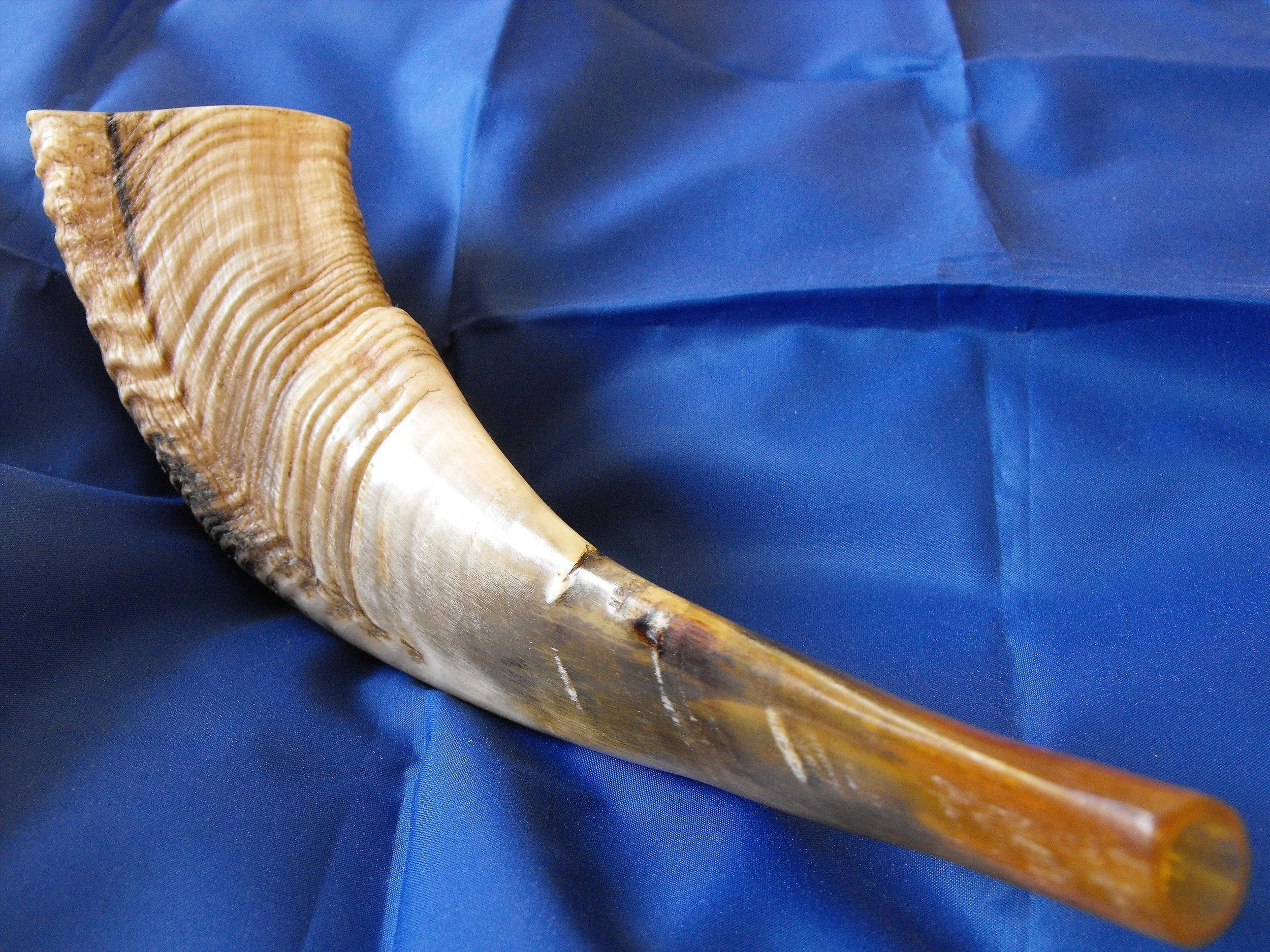
Made from a ram’s horn, the shofar signaled sacred moments. It announced festivals, declared victory in battle, opened assemblies, and marked covenant renewal. Its sharp, raw sound reminded people that life with God began in grace and continued in obedience.
Image Source, Wikipedia
Silver Trumpets
Numbers 10 describes silver trumpets used by priests. These instruments marked movement in the wilderness, gathered the people, and signaled offerings. Their sound organized communal life and called Israel to attention.
Flutes
Flutes appear in celebrations and processions, providing a gentle musical thread through weddings, feasts, and communal gatherings. Their breath-driven tone reflected the human voice and often accompanied singing.
Percussion Instruments
Tambourine (Timbrel)
The tambourine was a favorite instrument in times of joy. After crossing the Red Sea, Miriam led the women with tambourines and dancing. Throughout Israel’s story, this instrument marked victory, homecoming, and festival.
Cymbals
Cymbals appear in temple worship, producing either soft or resounding tones depending on their size. They helped lead large groups in praise, keeping rhythm and adding brilliance to the sound of psalms.
Drums
While not often described in detail, frame drums and hand drums were known in the ancient Near East and likely used in celebrations and dances.
Specialized or Less Common Instruments
Pipe
Daniel 3 lists the pipe among instruments played in royal ceremonies. It provided a reedy, penetrating sound, suitable for public gatherings.
Horn
Different from the shofar, the horn appears in several lists of instruments and may have been crafted from animal horn or metal.
Sackbut (or Harp-Like Instrument)
Appearing in Daniel’s courtly scenes, the sackbut was likely a triangular stringed instrument or early harp rather than the trombone-sounding word used in later English.
Instruments in Temple Worship
Music filled the temple courts, especially during sacrifices, festivals, and psalms. Levites served as musicians, offering their gifts as part of Israel’s shared worship. Trumpets sounded during offerings and holy days. Harps and lyres accompanied psalms that rose from the sanctuary.
This woven soundscape helped shape Israel’s identity. Worship was never silent or solitary. It was full-bodied, communal, and marked by instruments that carried meaning as well as melody.
Music in Moments of Joy and Lament
Instruments appear not only in celebration but also in sorrow. Prophets describe silenced instruments as symbols of judgment. Psalms of lament refer to hanging up the lyre when joy feels distant. Yet instruments also become signs of hope. The return from exile brings renewed singing, dancing, and the restoration of musical worship.
Instruments and Prophetic Imagination
Prophets sometimes reference instruments to capture the tone of a message. The sharp blast of a trumpet can symbolize a warning or a call to repentance. Soft stringed sounds may reflect peace or restoration. Music becomes a language the prophets borrow to help listeners understand God’s movement.
Musical Instruments in the New Testament
Though the New Testament mentions fewer instruments, the imagery continues. Paul encourages singing psalms, hymns, and spiritual songs. Revelation describes heavenly worship filled with song, harps, and a multitude of voices. Music remains integral to the life of faith.
Why These Instruments Matter Today
Understanding biblical instruments helps reclaim a sense of worship as embodied and communal. These ancient tools remind readers that songs do not float above daily life. They rise from hands, breath, craft, and movement. They bear witness to a God who invites people to bring their full selves into worship.
The instruments also help modern readers imagine the world of Scripture. A shofar blast, a trembling cymbal, or the warm resonance of a harp opens the door to a deeper appreciation of biblical gatherings.
