
The Gospel of John
The Revealed Christ
Jesus, the Eternal Word

Understanding the Gospel of John
Dive deeper into the Gospel of John by exploring its authorship, structure, major themes, and the seven signs and sayings that reveal who Jesus truly is. Whether you’re studying John for the first time or seeking a new angle, these articles are your guide to understanding the Revealed Christ.

Articles from the Gospel of John

The Pattern of Discipleship in the Gospel of John: Encounter, Recognition, Confession
Explore the pattern of discipleship in John’s Gospel—encounter, recognition, and confession—through Nathanael, the Samaritan woman, Martha, the blind man, and Thomas.

Mary of Bethany in the Bible: Anointing Jesus in John 12
Discover the meaning of Mary of Bethany anointing Jesus in John 12—an act of love, gratitude, and preparation for his burial that models true discipleship.

Lazarus in the Bible: Raised from the Dead in John 11
Discover the story of Lazarus in John 11—Jesus’ most dramatic sign before the cross. Explore how this miracle reveals Christ as the resurrection and the life, offering hope, faith, and the promise of eternal life.

Nicodemus in the Bible: Pharisee, Seeker, Disciple?
Explore Nicodemus in the Bible—Pharisee, questioner, and quiet disciple. Learn about his encounters with Jesus in John 3, John 7, and John 19, and how his journey from secrecy to courage speaks to faith today.
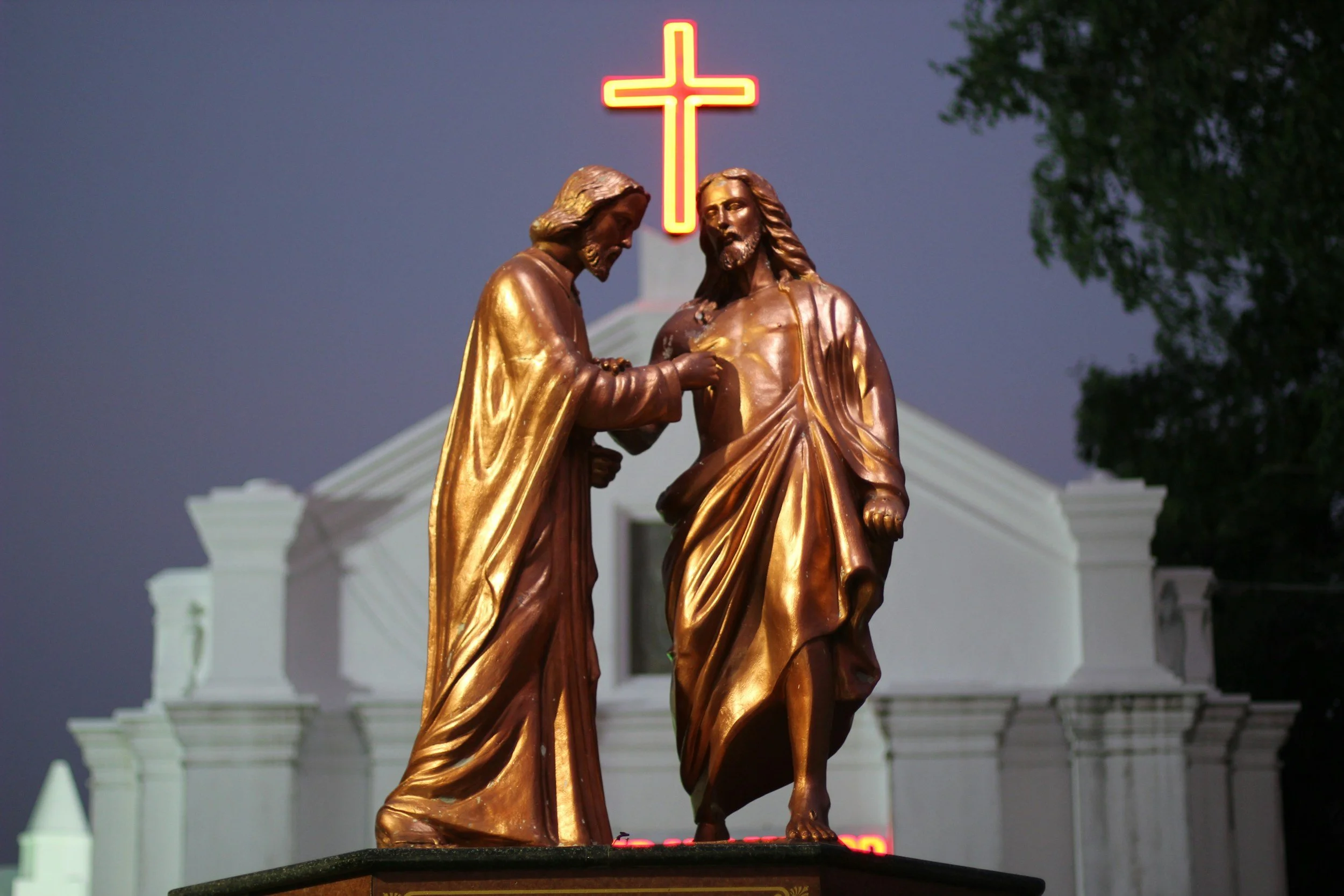
Thomas in the Bible: Doubt and Belief in the Gospel of John
Explore the story of Thomas in John’s Gospel. From doubt to confession, Thomas’ journey reveals that honest questions can lead to profound faith in Jesus as Lord and God.

12 Famous Verses in the Gospel of John (Beyond John 3:16)
Discover 12 famous verses in the Gospel of John beyond John 3:16. Explore their full text, context, meaning, and relevance for Christian faith today.
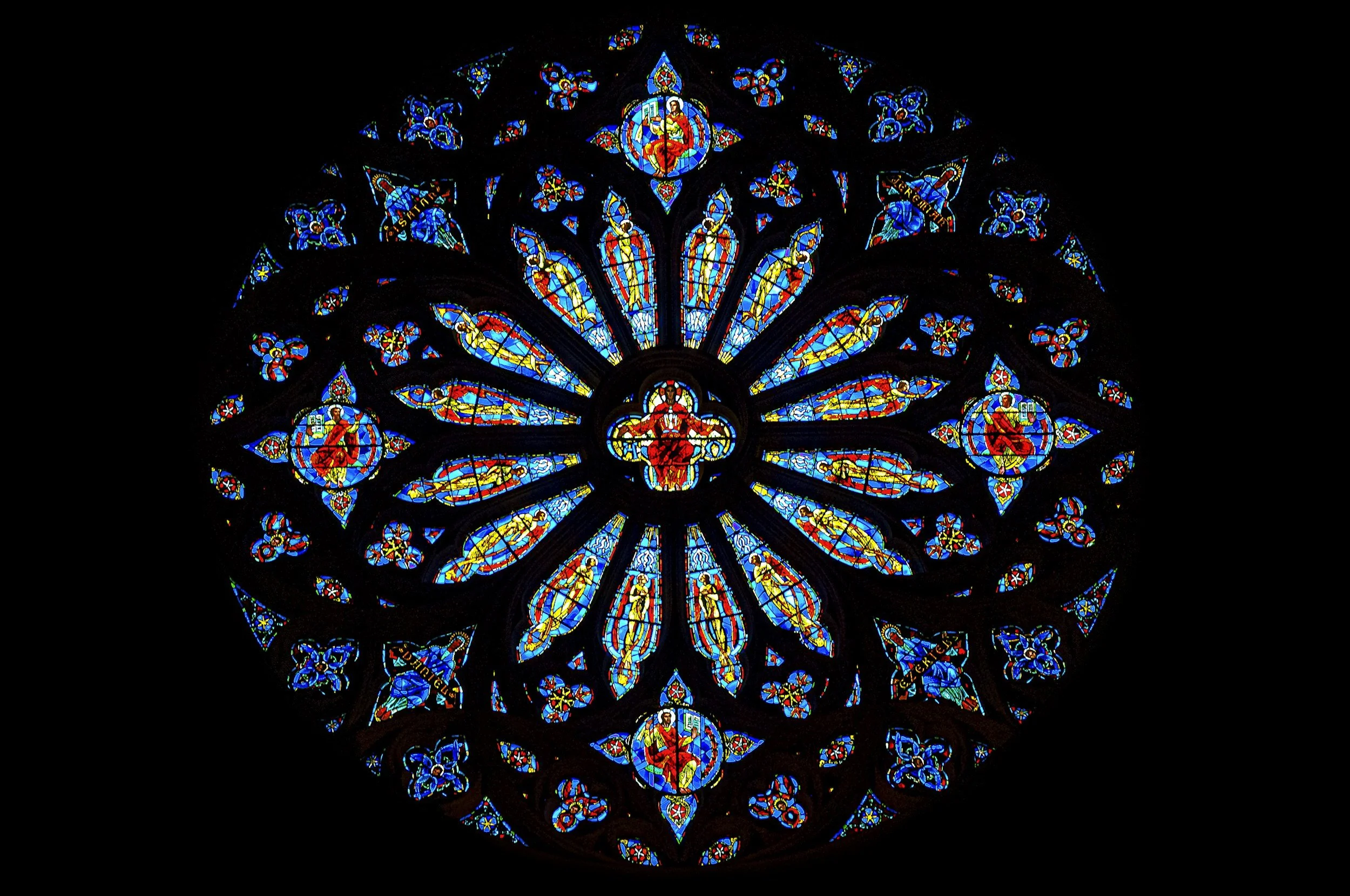
Why the Gospel of John is Called the Spiritual Gospel
Why is John called the spiritual Gospel? Explore its symbolism, theology, and distinctive features that reveal Jesus’ divine identity and invite

High Christology in the Gospel of John
The Gospel of John presents a High Christology, portraying Jesus as the eternal Word made flesh. Explore how John, 1 John, and Revelation reveal Christ’s divinity and why it matters today.

Gospel of John vs. Synoptic Gospels: A Comparison
The Gospel of John is different from the Synoptics in structure, content, and theology. Explore a detailed comparison of John and the Synoptics to see how they complement each other.

By This Everyone Will Know You Are My Disciples (John 13:35)
Explore John 13:35, “By this everyone will know you are my disciples.” Discover its meaning, context, and why love is the defining mark of Christian faith.
No Servant Is Greater Than His Master (John 13:16)
Explore John 13:16, “No servant is greater than his master.” Discover its meaning, context, and how Jesus grounds discipleship in humility and service.

What Did Jesus Mean by “You Do Not Realize Now, But Later You Will Understand” (J0hn 13:7)
Explore John 13:7, “You do not realize now, but later you will understand.” Learn its meaning, context, and how Jesus’ words teach trust in God’s timing.

Lazarus Has Fallen Asleep (John 11:11)
Explore John 11:11, “Lazarus has fallen asleep.” Discover its meaning, context, and how Jesus’ words reframe death as sleep under his power to awaken.

Hear My Voice (John 10:27)
Explore John 10:27, “My sheep hear my voice.” Learn the meaning, context, and how this verse reveals the intimate relationship between Jesus and his disciples.

John 10:16 – One Flock, One Shepherd
Explore John 10:16, “One flock, one shepherd.” Learn its meaning, context, and how Jesus’ vision of unity calls believers into one body under his care.

John 10:11 – The Good Shepherd Lays Down His Life
Explore John 10:11, “I am the good shepherd.” Learn the meaning, context, and significance of Jesus laying down his life for the sheep.

Historical Context of the Gospel of John (1st Century Judaism & Rome)
The Gospel of John was written in the context of 1st century Judaism and Rome. Learn how the fall of the Temple and Roman power shaped John’s unique message.
The Johannine Community: What Do We Know?
The Johannine community was a group of Jewish and Gentile Christians at the end of the first century. Discover what we know about their struggles and why it matters.
The Gospel of John’s Audience: Who Was John Writing To?
The Gospel of John’s audience was a community of Jewish and Gentile Christians facing conflict with synagogue leaders. Learn why John wrote and what it means today.

Gopel of John 2 Outline and Meaning
John 2 shows Jesus turning water into wine and cleansing the temple. Read the outline, section-by-section summary, themes, FAQs, and meaning for today.