
Acts
Verse-by-Verse Commentary, Chapter Outlines, and Study Guides for Acts
Choose a Path Through Acts
Select a starting point below to read Acts by chapter, passage, or theme.
Introduction to Acts
Authorship, date, historical context, and a big-picture guide for reading Acts well.
Read Acts Verse by Verse
Passage-by-passage commentary that follows Acts from Jerusalem to Rome, one scene at a time.
Read Acts by the Chapter
Chapter outlines and summaries for Acts 1–28, highlighting key movements and meaning.
Themes and Guides
Study guides on the Holy Spirit, mission, the church, speeches, trials, miracles, and the Roman world.
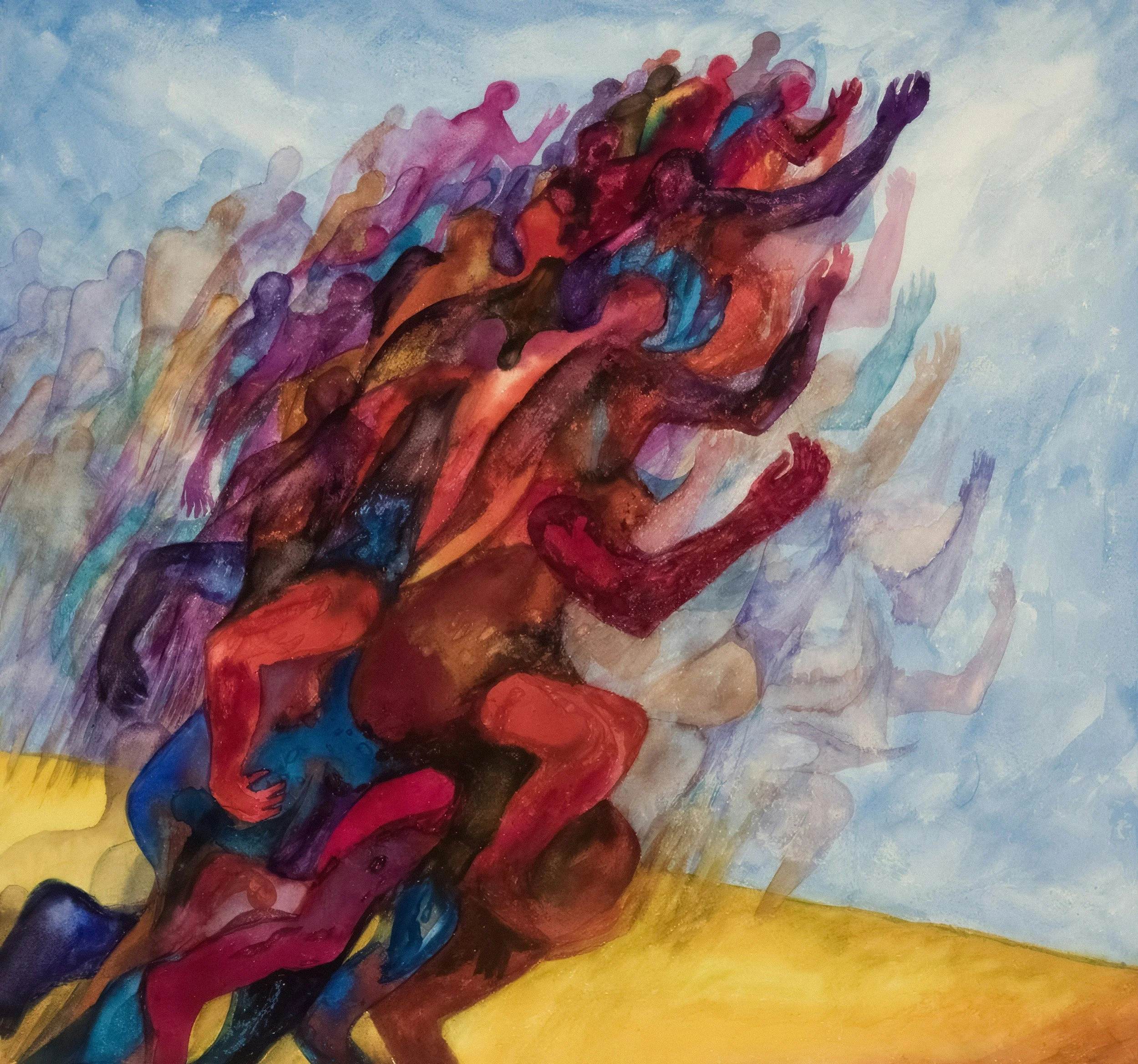
Acts 8:1-3 The Church Scattered and Saul's Campaign
Acts 8:1–3 describes the scattering of the early church after Stephen’s death and Saul’s violent campaign against believers.

Acts 7:54–60 The Stoning of Stephen
Acts 7:54–60 recounts the stoning of Stephen, the first Christian martyr, whose faithful witness mirrors the death and forgiveness of Jesus.

Acts 7:51-53 The Accusation
Acts 7:51–53 records Stephen’s final accusation, exposing Israel’s resistance to the Holy Spirit and rejection of God’s messengers, culminating in Jesus.
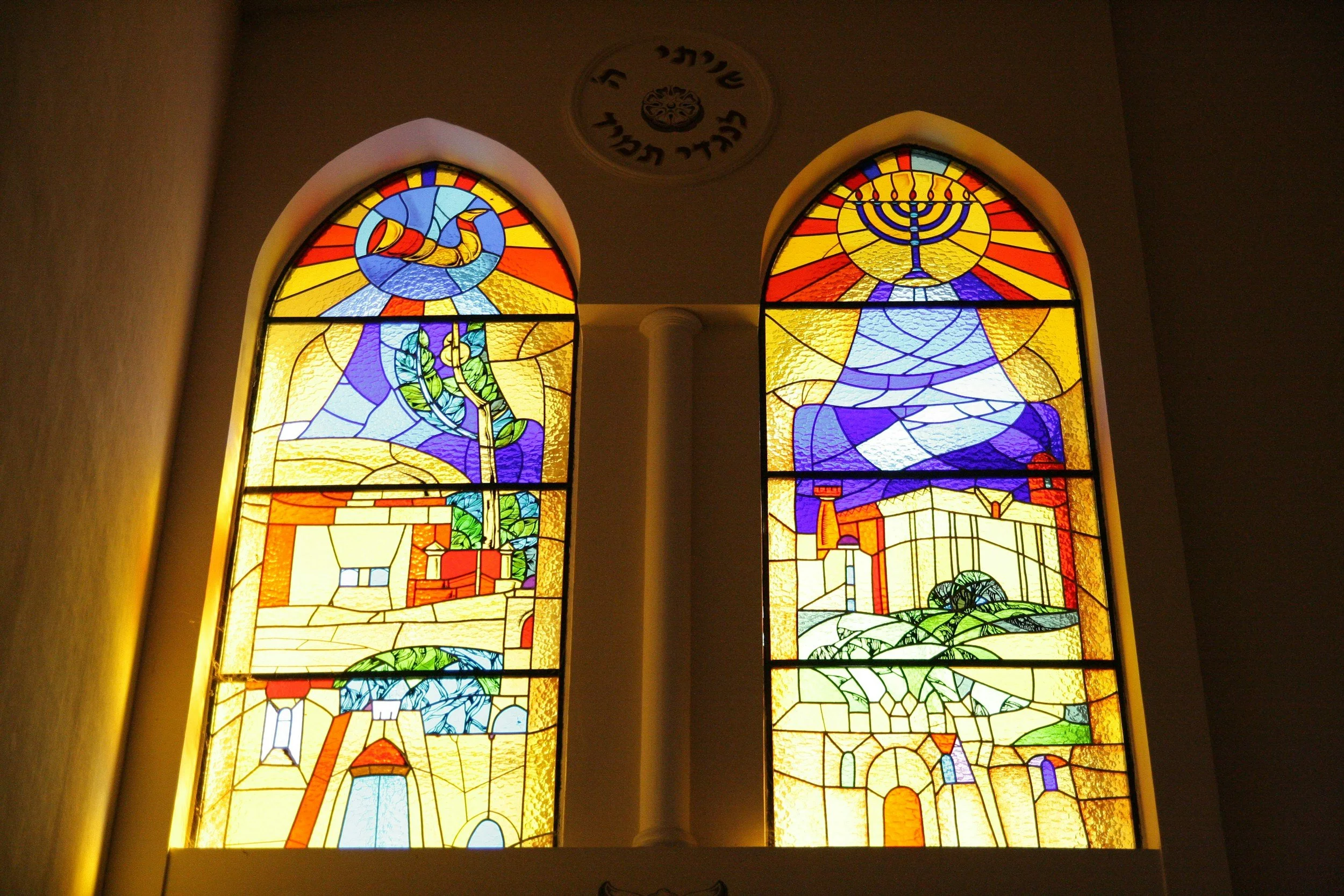
Acts 7:44-50 Tent, Temple, and God's Freedom
Acts 7:44–50 shows that God’s presence is not confined to tents or temples, affirming God’s freedom beyond sacred structures.
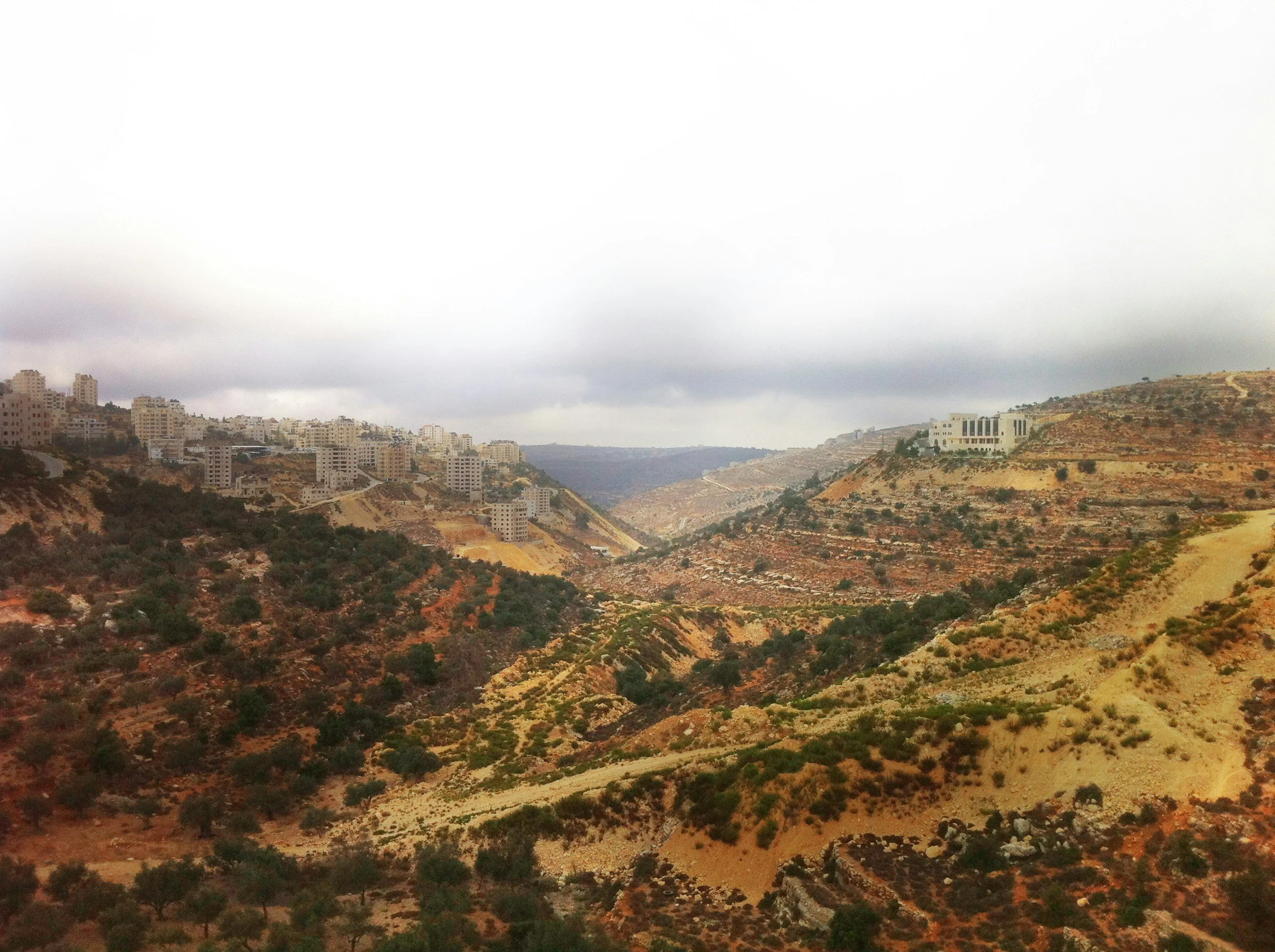
Acts 7:35-43 Rejected Moses and the Golden Calf
Acts 7:35–43 shows how Israel rejected Moses even after his calling, linking resistance to God’s deliverer with idolatry and distorted worship.
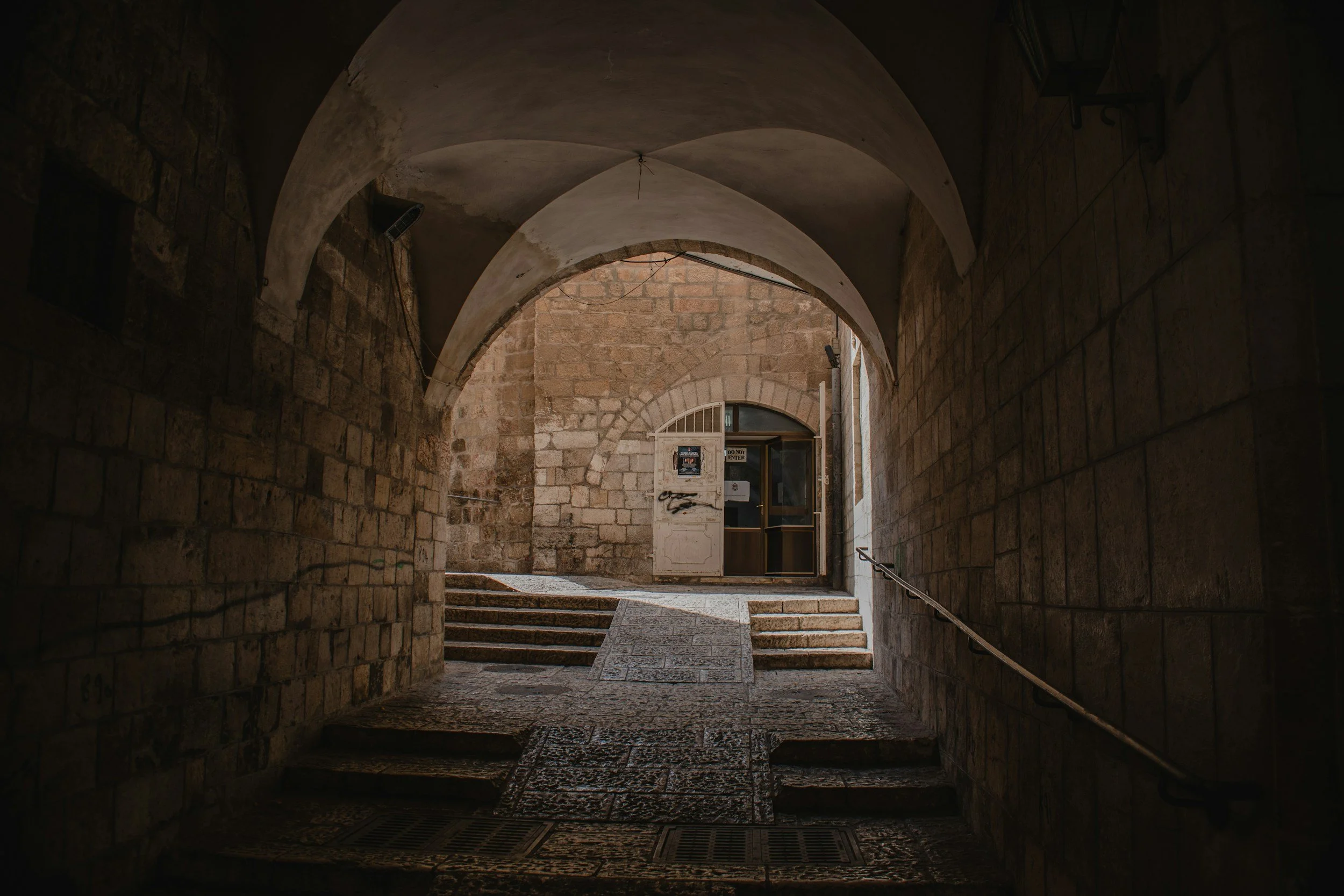
Acts 7:17-34 Moses Called Outside the Land
Acts 7:17–34 shows how Moses was called and commissioned outside the land, revealing that God’s presence and saving work are not confined to sacred spaces.
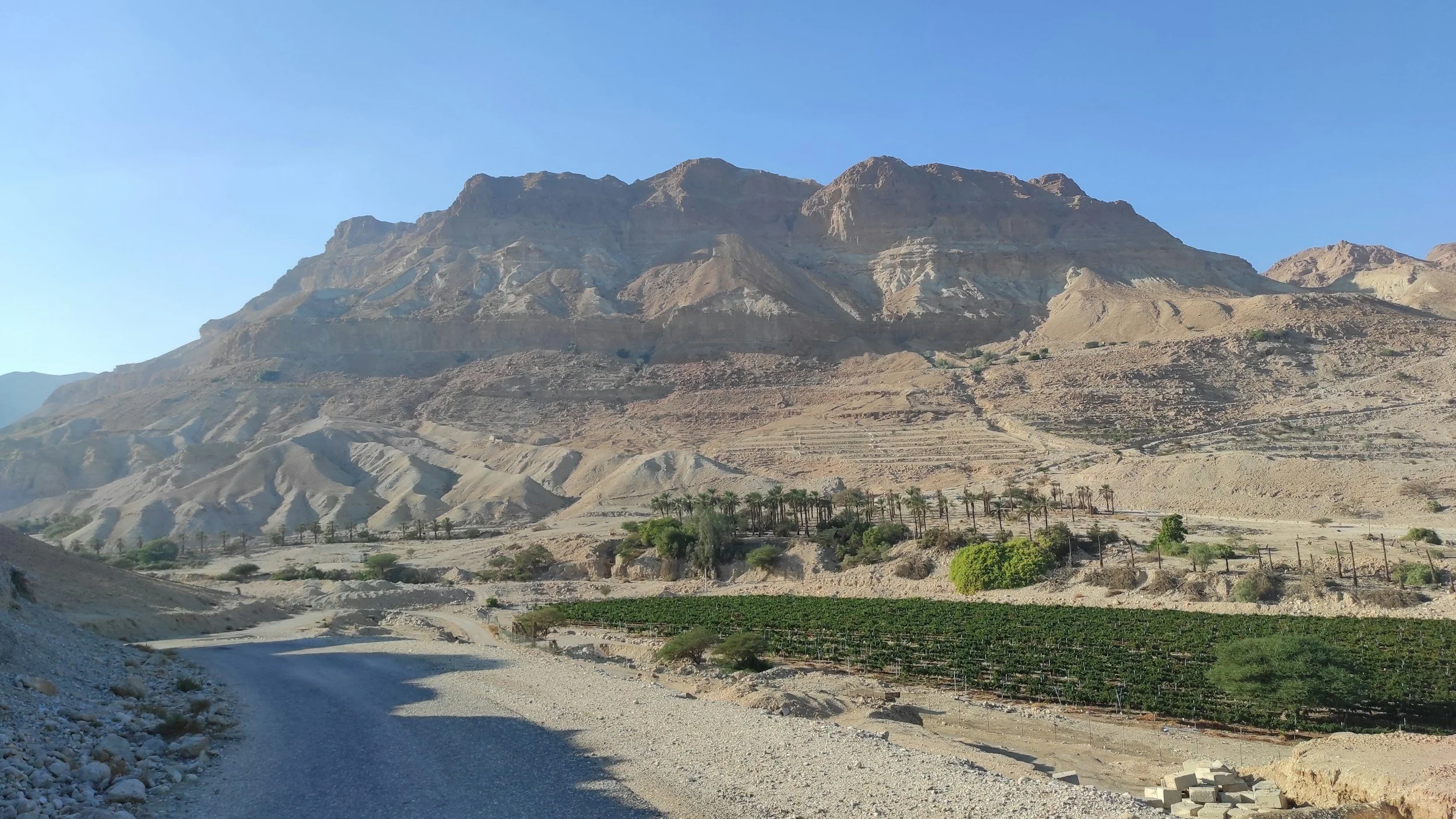
Acts 7:9-16 Joseph and the Pattern of Rejected Deliverers
Acts 7:9–16 explores Joseph’s rejection and exaltation, revealing a recurring biblical pattern in which God’s deliverers are rejected before being recognized.
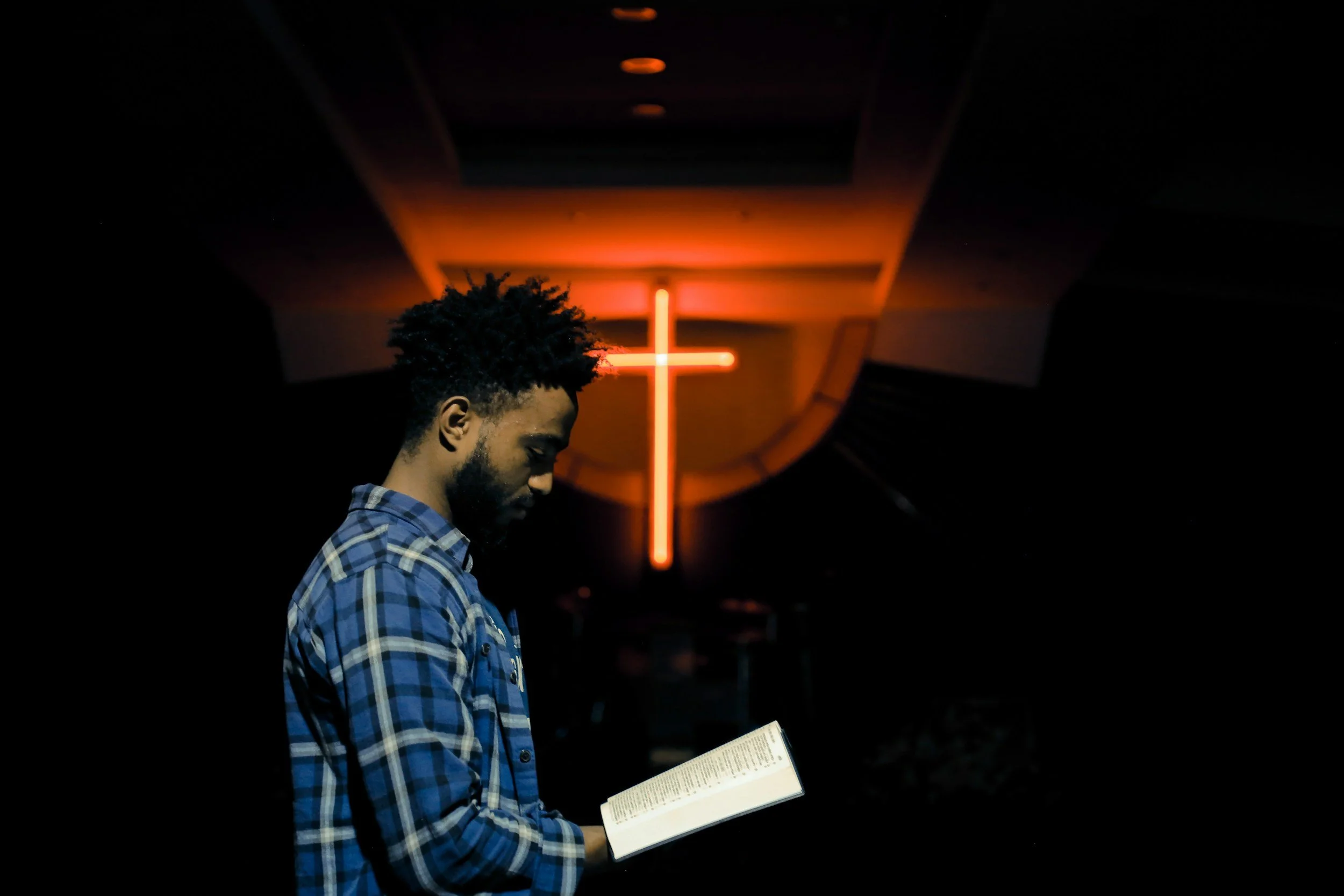
Acts 7:1-8 God's Promise Before the Land
Acts 7:1–8 explores God’s promise to Abraham before land or temple, showing how faith begins with trust and movement.

Acts 6:8–15 Stephen Seized
Acts 6:8–15 describes Stephen’s ministry, his dispute with synagogue leaders, and the false accusations that lead to his arrest.

Acts 6:1–7 The Choosing of the Seven
Acts 6:1–7 describes the choosing of the Seven, showing how the early church addressed conflict, shared leadership, and continued to grow.
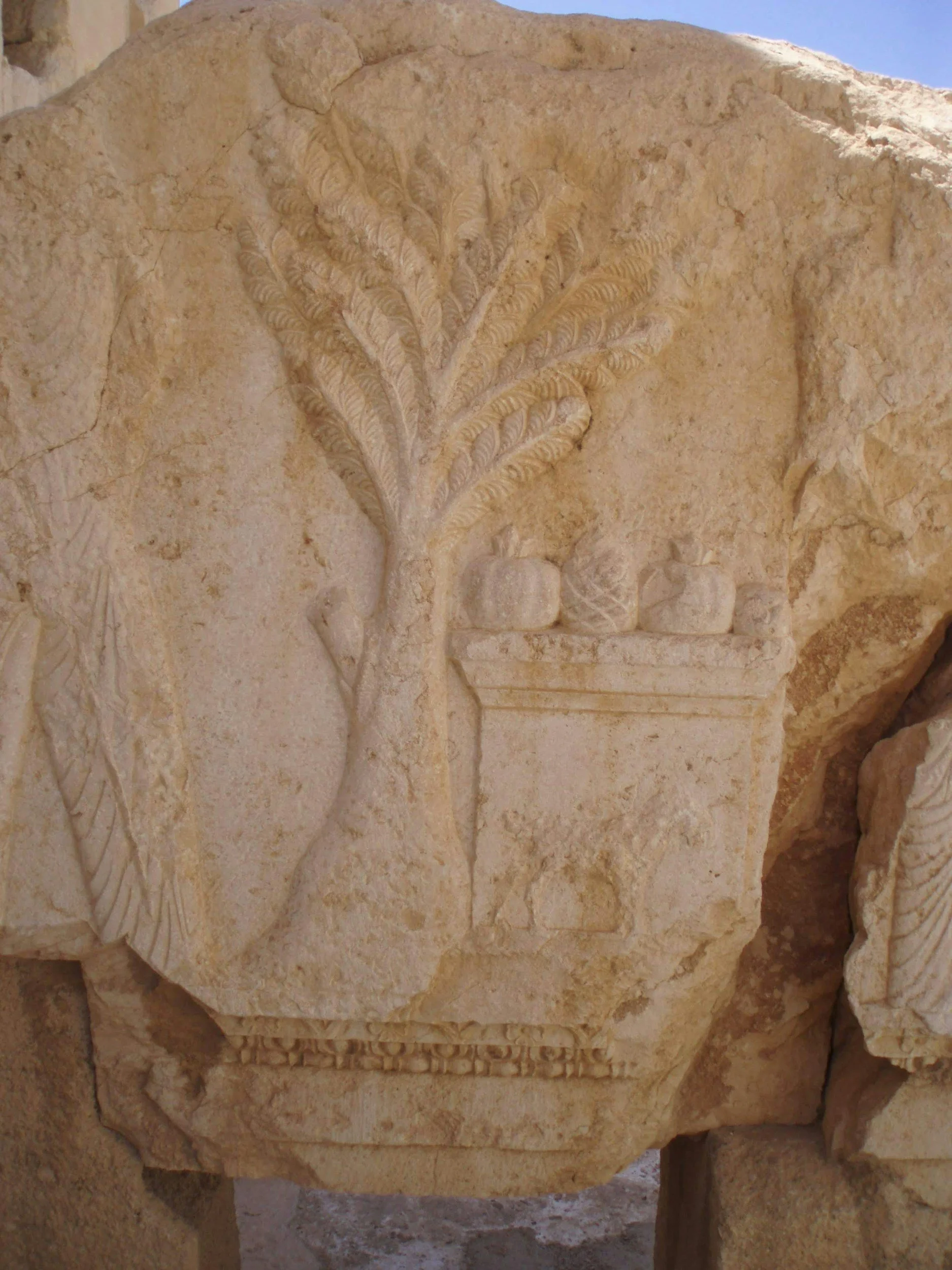
Acts 5:33–42 Gamaliel’s Counsel
Acts 5:33–42 recounts Gamaliel’s counsel to the Sanhedrin, urging restraint and trust in God amid the apostles’ growing witness.

Acts 5:17–32 The Apostles Arrested and Freed
Acts 5:17–32 recounts the arrest and release of the apostles, highlighting obedience to God amid opposition and bold witness to Jesus.
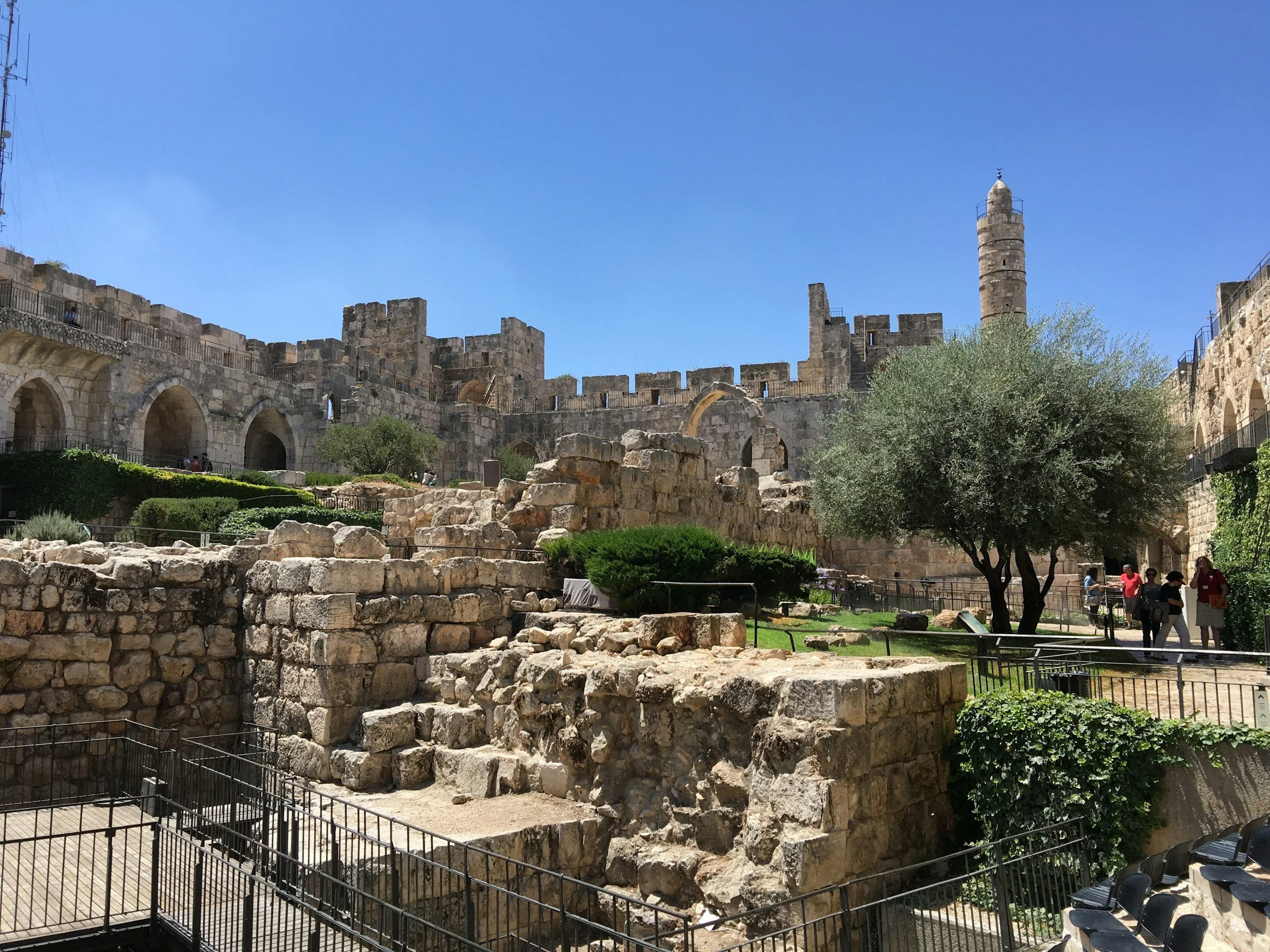
Acts 5:12–16 Signs and Wonders Among the People
Acts 5:12–16 describes signs and wonders among the people and the growing public impact of the early church.
Acts 5:1–11 Ananias and Sapphira
Acts 5:1–11 recounts the story of Ananias and Sapphira, revealing the danger of hypocrisy and the seriousness of life in the early church.

Acts 4:32–37 The Believers Share Their Possessions
Acts 4:32–37 explores how resurrection faith shaped unity, generosity, and shared life in the early Christian community.
Acts 4:23–31 The Believers’ Prayer
Acts 4:23–31 records the church’s prayer after persecution, interpreting opposition through Scripture and asking God for boldness to speak.
Acts 4:1–22 Peter and John Before the Sanhedrin
Acts 4:1–22 describes Peter and John before the Sanhedrin, where they bear bold witness to Jesus’ resurrection despite opposition.

Acts 3:11–26 Peter Speaks to the Onlookers
Acts 3:11–26 records Peter’s sermon after the healing at the temple, calling Israel to repentance and promising renewal through the risen Jesus.

Acts 3:1–10 Healing at the Beautiful Gate
Acts 3:1–10 tells how Peter and John heal a man unable to walk, revealing the continuing power of Jesus’ name after Pentecost.

Acts 2:42–47 The Fellowship of Believers
Acts 2:42–47 describes the early Christian community, marked by teaching, fellowship, prayer, generosity, worship, and daily growth.