
Acts
Verse-by-Verse Commentary, Chapter Outlines, and Study Guides for Acts
Choose a Path Through Acts
Select a starting point below to read Acts by chapter, passage, or theme.
Introduction to Acts
Authorship, date, historical context, and a big-picture guide for reading Acts well.
Read Acts Verse by Verse
Passage-by-passage commentary that follows Acts from Jerusalem to Rome, one scene at a time.
Read Acts by the Chapter
Chapter outlines and summaries for Acts 1–28, highlighting key movements and meaning.
Themes and Guides
Study guides on the Holy Spirit, mission, the church, speeches, trials, miracles, and the Roman world.

Acts 15:1–21 The Jerusalem Council Debate
Acts 15:1–21 explains the Jerusalem Council and the debate over circumcision, grace, and Gentile inclusion, showing how the early church discerned salvation by grace alone.

Acts 16:1–5 Timothy Joins Paul and Silas
Acts 16:1–5 introduces Timothy into Paul’s ministry and shows how discernment and flexibility helped strengthen the churches after disagreement.

Acts 14:21–28 Strengthening the Churches and Return
Acts 14:21–28 shows Paul and Barnabas returning to strengthen young churches, appoint leaders, and teach perseverance through suffering as the mission is entrusted to God’s grace.

Acts 15:36–41 Paul and Barnabas Part Company
Acts 15:36–41 describes the sharp disagreement between Paul and Barnabas and shows how the mission continued even when trusted partners parted ways.

Acts 15:22–35 The Council’s Letter to the Churches
Acts 15:22–35 shows how the early church preserved unity by communicating the Jerusalem Council’s decision with humility, clarity, and pastoral care.

Acts 14:8–20 Paul and Barnabas in Lystra
Acts 14:8–20 explains Paul and Barnabas in Lystra, where a healing leads to idolatry, rejection, and violence. A verse-by-verse theological commentary on misunderstanding, power, and perseverance in the early church.

Acts 14:1–7 Ministry and Opposition in Iconium
Acts 14:1–7 shows how gospel proclamation in Iconium produces faith, division, and opposition, revealing that perseverance and discernment mark faithful mission.

Acts 13:42–52 The Gospel Turns to the Gentiles
Acts 13:42–52 shows how Paul’s preaching leads to division, joy, and mission as the gospel turns to the Gentiles in fulfillment of Scripture and God’s saving purpose.

Paul’s Missionary Journeys in Acts
Follow Paul's missionary journeys in Acts from Antioch through Asia Minor, Greece, and Rome, establishing churches and advancing the gospel across the empire.

Acts 13:13–41 Paul’s Sermon in Pisidian Antioch
Acts 13:13–41 examines Paul’s sermon in Pisidian Antioch, tracing Israel’s story to Jesus’ resurrection and announcing forgiveness and justification through Christ.

Acts 13:1–12 Paul and Barnabas Sent Off
Acts 13:1–12 marks a turning point as the Spirit sends Paul and Barnabas from Antioch, launching intentional Gentile mission through worship, discernment, and bold proclamation.

Acts 12:24–25 The Word of God Continues to Spread
Acts 12:24–25 reflects on God’s unstoppable word as Herod falls and the gospel continues to spread, highlighting mission, resilience, and quiet growth in the early church.

Acts 12:20–23 Herod’s Death
Acts 12:20–23 explores Herod’s death in its political and economic context, showing how power, flattery, and control of food collide with God’s authority in Luke’s narrative.
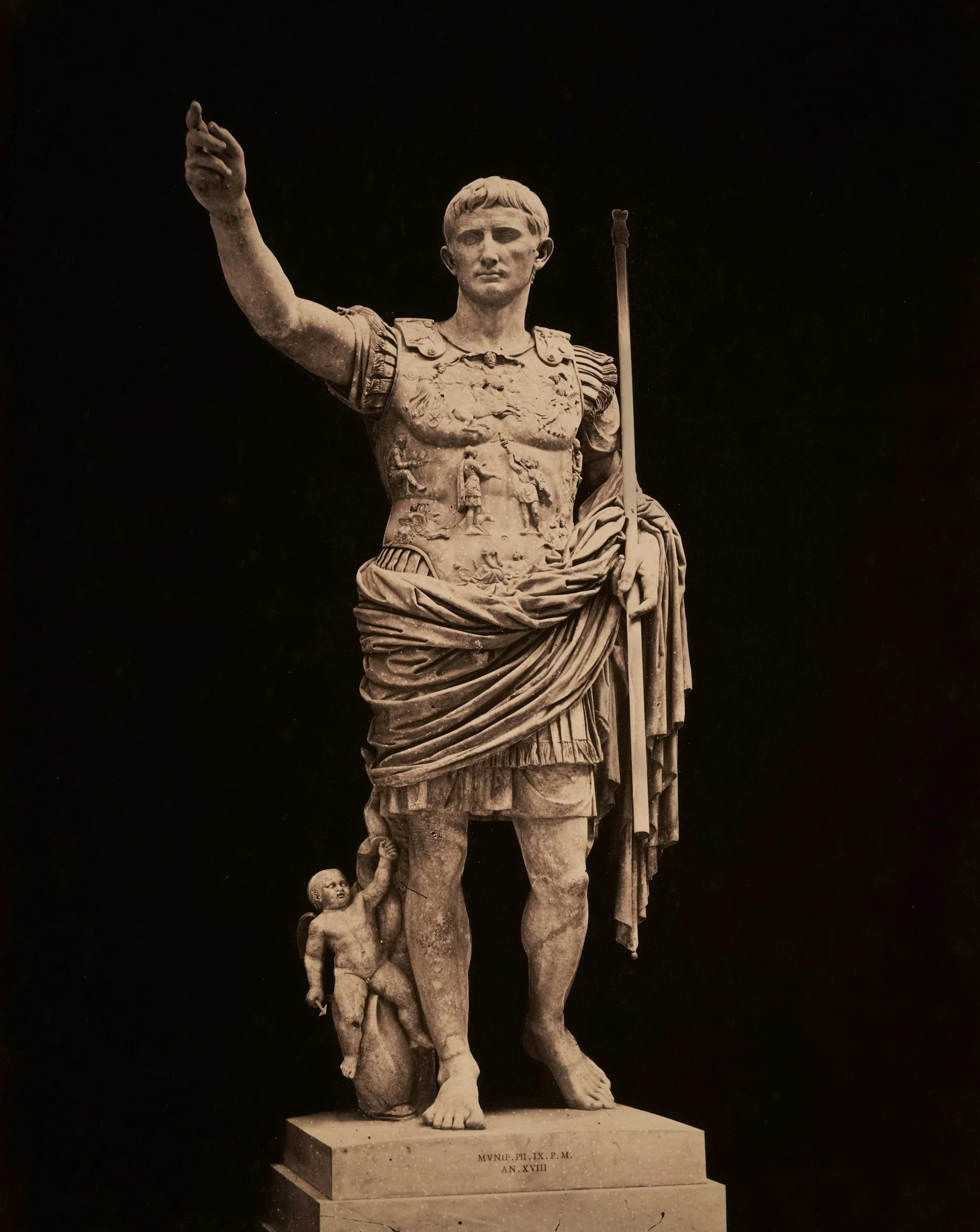
What is Roman Citizenship?
Learn what Roman citizenship meant in the first century and how Paul's legal status as a citizen shaped his ministry and trials throughout the Book of Acts.

Acts as the Second Volume of Luke
Discover how Acts continues Luke's Gospel as a unified two-volume work, tracing God's salvation from Jerusalem to the ends of the earth through the Spirit.

Acts 12:1–19 Peter’s Miraculous Escape from Prison
A verse-by-verse commentary on Acts 12:1–19 exploring persecution, prayer, divine deliverance, and the contrast between imperial power and God’s freedom in the early church.

How reliable is Acts historically?
How reliable is Acts historically? Explore evidence, speeches, Roman context, and where Acts aligns with Paul’s letters and first-century history.

Acts and the Roman Empire
Acts and the Roman Empire explained: Roman rule, citizenship, emperor worship, public trials, and how the gospel spread from Jerusalem to Rome.

The Historical Context for the Book of Acts
Historical context of the Book of Acts explained: Roman rule, Jewish life, Pentecost, persecution, and the spread of the early church from Jerusalem to Rome.

Acts 28 Outline Summary and Meaning
Acts 28 recounts Paul’s ministry on Malta after the shipwreck and his final arrival in Rome, where believers meet him and the gospel reaches the heart of the empire.