Where is Nineveh Today?
Quick Summary
The ancient city of Nineveh, once the capital of the Assyrian Empire, is located near the modern city of Mosul in northern Iraq. Situated along the eastern bank of the Tigris River, Nineveh was one of the most powerful and notorious cities of the ancient world. Though destroyed in the 7th century BCE, its ruins—including city walls and gates—remain visible today.
Introduction
Nineveh was a city of extremes. It was vast, violent, and wealthy—an empire’s crown jewel and, according to the Bible, a symbol of arrogance and repentance. It plays a central role in the book of Jonah, as well as in prophetic texts like Nahum and Zephaniah.
But Nineveh was more than metaphor. It was a real city with roads, palaces, temples, and a long history.
So, where is Nineveh today? Let’s look at its historical location, archaeological remains, and biblical legacy.
The Location of Ancient Nineveh
Nineveh was located on the eastern bank of the Tigris River, across from what is now Mosul, Iraq.
Coordinates and Geography:
Modern-day country: Iraq
Region: Nineveh Governorate
Nearest modern city: Mosul
River: Tigris
Nineveh was part of Assyria, one of the most powerful empires of the ancient Near East. At its height, the city may have covered 1,700 acres and housed over 100,000 people.
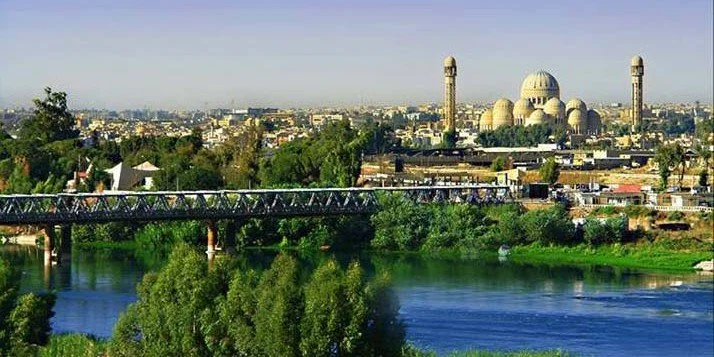
Modern day Mosul, Iraq, place of Nineveh. Source
Can You Visit Nineveh Today?
Yes—though it is a site of ruins and, in recent years, conflict. The archaeological site of Nineveh contains:
Remnants of city walls (nearly 7.5 miles long)
Gate structures (including the Mashki Gate and Nergal Gate)
The remains of palaces built by kings like Sennacherib and Ashurbanipal
Inscriptions and carved reliefs
Sadly, some parts of the site have been damaged in recent conflicts, especially during ISIS occupation of Mosul in the 2010s. However, efforts are underway to preserve and restore parts of the site.
Nineveh in the Bible
Nineveh appears prominently in several biblical books:
1. Jonah
God calls Jonah to preach to Nineveh (Jonah 1:2).
The people repent, and God spares the city (Jonah 3).
2. Nahum
Prophesies Nineveh’s downfall due to its cruelty (Nahum 1–3).
3. Zephaniah
Predicts the city's ruin and desolation (Zephaniah 2:13–15).
4. 2 Kings and Isaiah
Mentions Nineveh as the seat of Assyrian kings like Sennacherib.
Nineveh becomes both a symbol of divine judgment and a rare example of a gentile city's repentance.
What Happened to Nineveh?
Nineveh was destroyed in 612 BCE by a coalition of Babylonians, Medes, and others. The event was so complete that, for centuries, the city’s location was lost to history.
The fall fulfilled the prophecies of Nahum and others, who had warned of Nineveh’s downfall due to its violence and pride.
Archaeologists rediscovered the site in the 19th century, and it became one of the most significant excavations in Assyriology.
Why Was Nineveh Important?
Capital of Assyria, the superpower that dominated Israel and Judah
Center of military, economic, and cultural power
Home to the library of Ashurbanipal, a treasure trove of cuneiform tablets
A city that repented at Jonah’s preaching, showing God’s concern for all nations
Where Is Nineveh Today?
Physically:
Near Mosul, Iraq, along the Tigris River
Still visible through gates, mounds, and partial ruins
Spiritually:
A reminder that no empire is too big to fall
A testimony to the power of repentance and mercy
A sign that God’s message extends beyond Israel to all peoples
Meaning for Today
Nineveh challenges us to reflect on:
The danger of unchecked power and pride
The surprising reach of God’s grace
The call to repentance, even in unlikely places
It reminds us that God's mercy can reach even the most hardened hearts—and that justice, when ignored, will not be postponed forever.
