
Ephesians 6:4 — Fathers, Do Not Exasperate Your Children
Ephesians 6:4 explained: what "do not exasperate your children" meant against Roman law's near-absolute power of a father over his household.
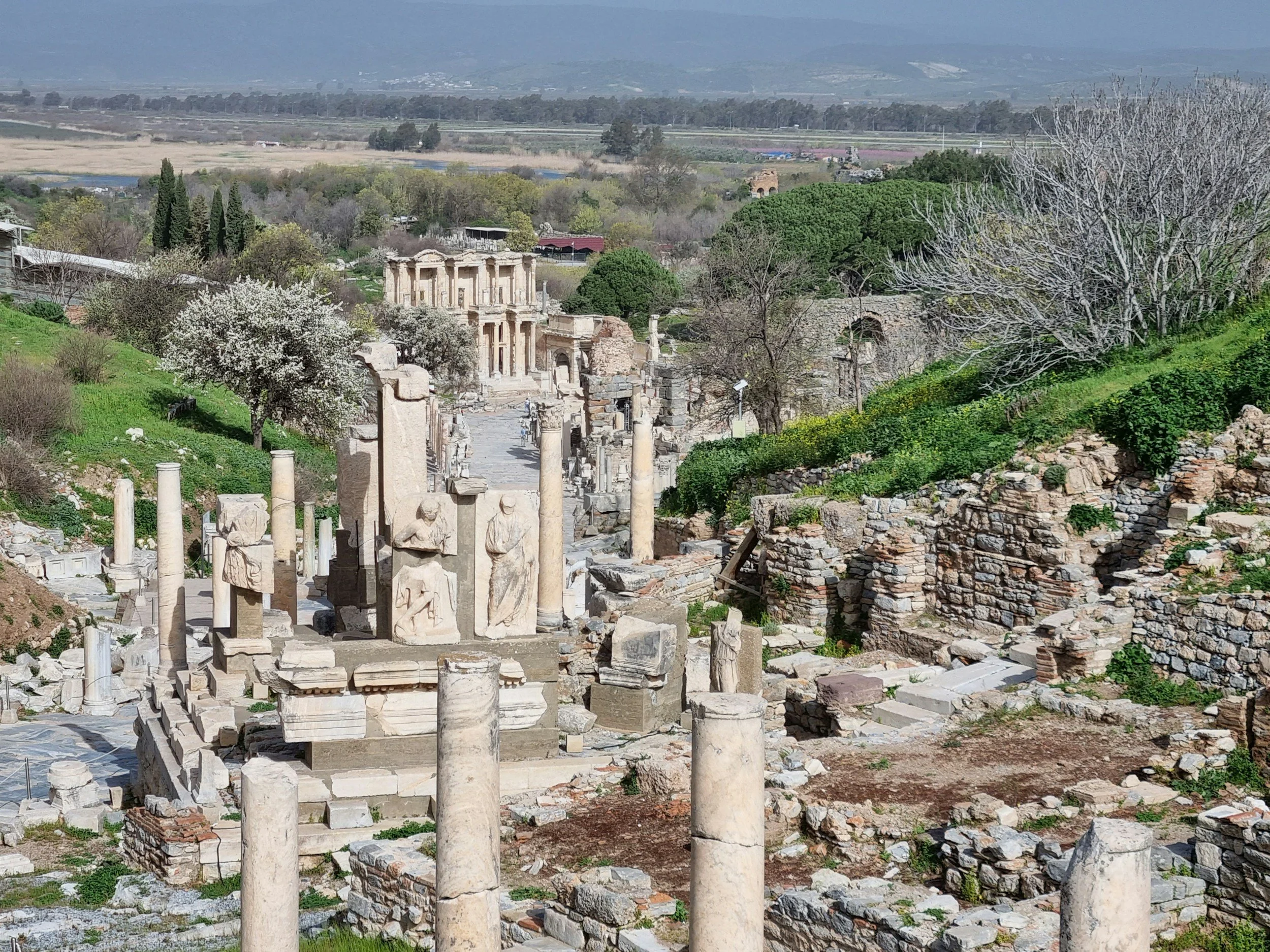
Ephesians 6:12 — Our Struggle Is Not Against Flesh and Blood
Ephesians 6:12 explained: the four Greek terms for spiritual opposition, and why Paul used an imperial title while under Roman guard.

Ephesians 5:11 — Have Nothing to Do with the Works of Darkness
Ephesians 5:11 explained: what "expose the works of darkness" meant in a city that once burned its own magic scrolls in public (Acts 19).

Ephesians 5:18 — Be Filled with the Spirit
Ephesians 5:18 explained: the Greek grammar behind "be filled with the Spirit," and what this verse meant in a city known for ecstatic wine cults.

Ephesians 5:22–33: The Household Code in Its World
Ephesians 5:22-33 explained in historical context: the Greek text, ancient household codes, and what Paul actually changed. No conclusions drawn for you.

Ephesians 3:20–21 — Immeasurably More Than We Ask or Imagine
Ephesians 3:20 explained verse by verse: what "immeasurably more than we ask or imagine" means in the original Greek, and why it matters today.

Citizenship and Identity in the Roman Empire
Explore citizenship and identity in the Roman Empire—social status, legal rights, honor, and belonging—and how Paul redefines identity for believers in Ephesians.

8 Ways Households in Ephesus Were Different Than the Modern Family
Explore household structures in the Roman world—marriage, authority, slavery, religion, and economics—and how they shape the background of Ephesians and early Christian communities.

5 Ways Trade Guilds Shaped Daily Life in Ancient Ephesus
Explore how trade guilds shaped daily life in ancient Ephesus—economically, socially, and spiritually—and how their influence forms the backdrop of Acts 19, Ephesians, and Revelation.
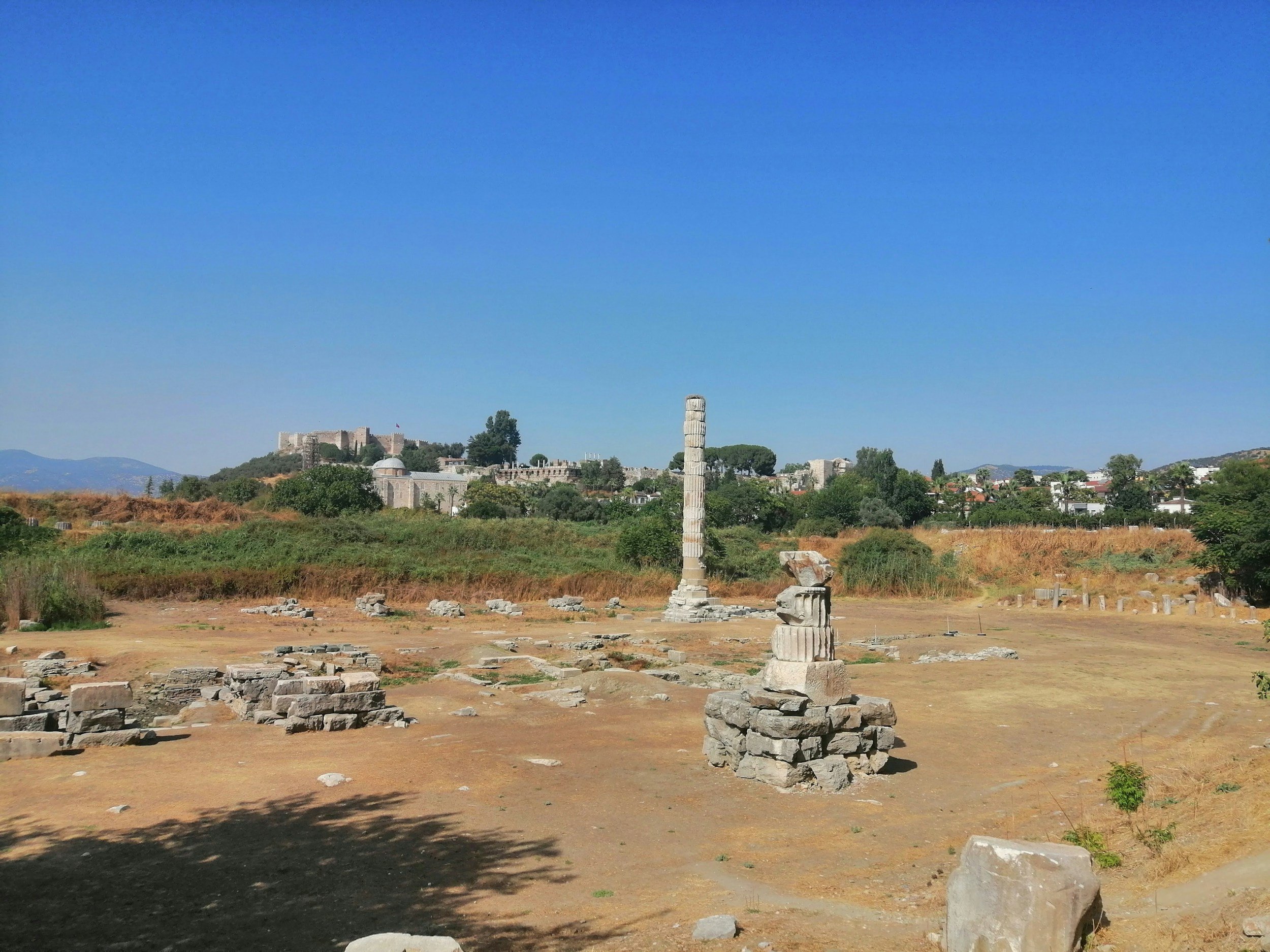
6 Surprising Facts About the Temple of Artemis in Ephesus
Explore the history, religion, and cultural influence of the Temple of Artemis—one of the Seven Wonders of the Ancient World—and its significance for understanding Acts 19 and the world behind Ephesians.

8 Ways Ancient Magic Shaped Ephesians
Explore the magical and spiritual world of ancient Ephesus—amulets, rituals, incantations, and the powerful cultural backdrop behind Paul’s message of Christ’s victory and spiritual strength.
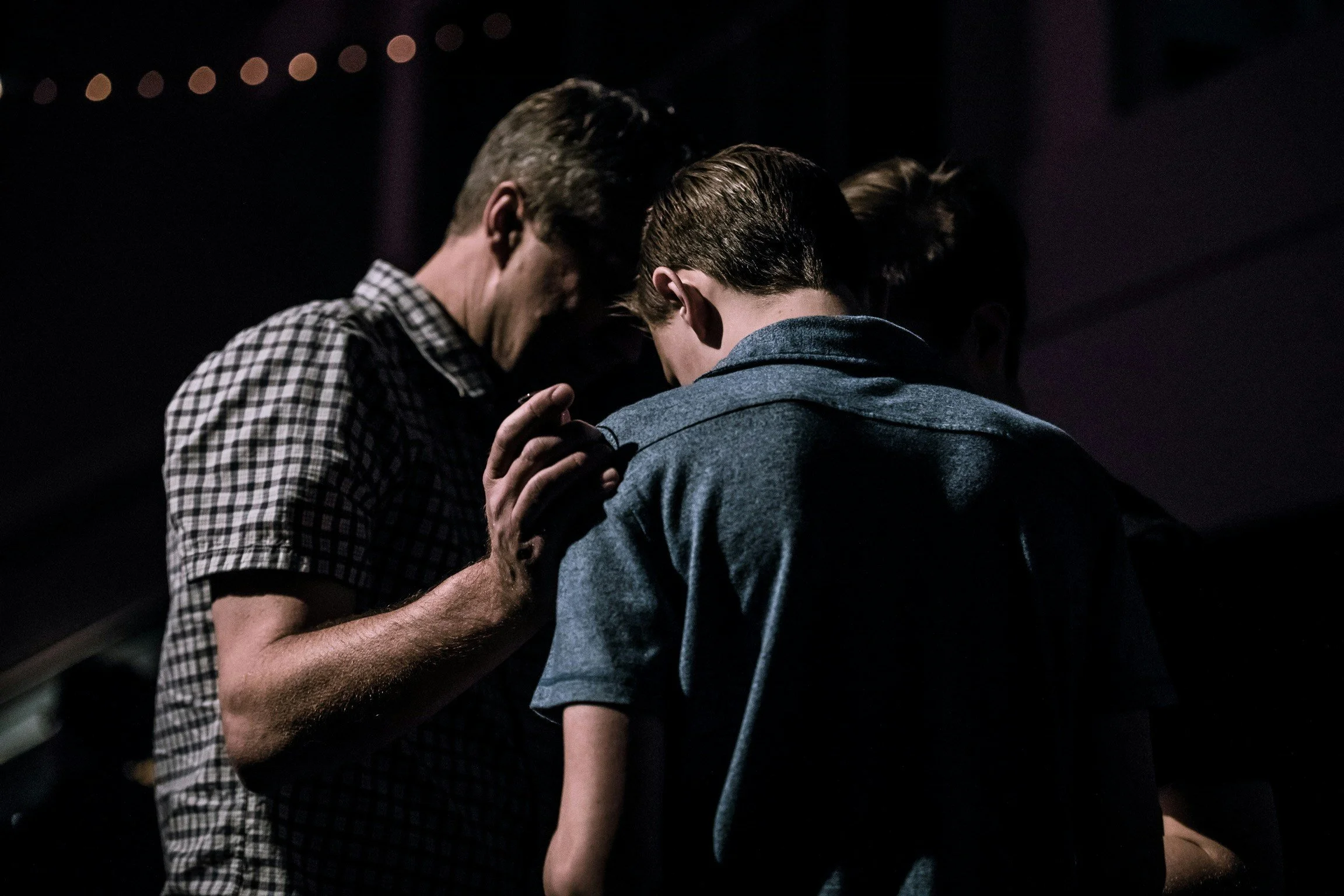
10 Ways to Imitate Christ (According to Ephesians)
Explore what it means to imitate Christ in Ephesians—walking in love, practicing forgiveness, speaking truth in love, living with wisdom, and allowing the Spirit to form Christlike character in everyday life.

Walking Worthy of Our Calling
Explore what it means to walk worthy of our calling in Ephesians—living from grace, practicing humility, gentleness, patience, and love, and allowing the Spirit to form Christlike character over time.

Prayer in Ephesians
Discover how prayer shapes the life of believers in Ephesians—bringing wisdom, inner strength, unity, gratitude, and spiritual resilience grounded in God’s promises.

Jew and Gentile Unity in Ephesians
Explore Jew and Gentile unity in Ephesians, where Paul describes Christ’s reconciling work, the creation of one new humanity, and the fulfillment of God’s covenantal plan through a Spirit‑formed community.

The Role of the Church in God’s Eternal Plan
Explore the role of the church in God’s eternal plan as described in Ephesians—chosen before creation, reconciled in Christ, strengthened by the Spirit, and called to reveal God’s wisdom through unity, love, and everyday faithfulness.
The Household Code in Context
Explore the household code in Ephesians and how Paul reshapes ancient family structures through Christ’s love, mutual submission, and Spirit-led unity.

Christ’s Victory in Ephesians
Explore Christ’s victory in Ephesians, where Paul describes Jesus’ triumph over every power and authority and shows how that victory shapes the church’s identity, unity, and daily life.

The Work of the Spirit in Ephesians
Discover the work of the Spirit in Ephesians, from sealing believers in Christ to forming unity, inner strength, wisdom, worship, and daily transformation.

New Humanity in Ephesians: Reconciliation, Peace, and Shared Belonging
Explore the new humanity in Ephesians, where Christ breaks down divisions and forms one reconciled people grounded in peace, unity, and grace.