Quick Summary
The Sea of Galilee, also known as Lake Kinneret, is located in northern Israel, nestled in the Jordan Rift Valley. It is Israel’s largest freshwater lake and plays a central role in the ministry of Jesus in the New Testament. The Jordan River flows into the Sea of Galilee from the north and continues southward into the Dead Sea. Today, it remains both a sacred pilgrimage site and a critical water source.
Introduction
The Sea of Galilee appears again and again in the Gospels. Jesus called fishermen from its shores, calmed its storms, walked on its waters, and taught multitudes nearby. It’s where everyday life and eternal truth intersected.
But where is the Sea of Galilee located today, and what is it like now?
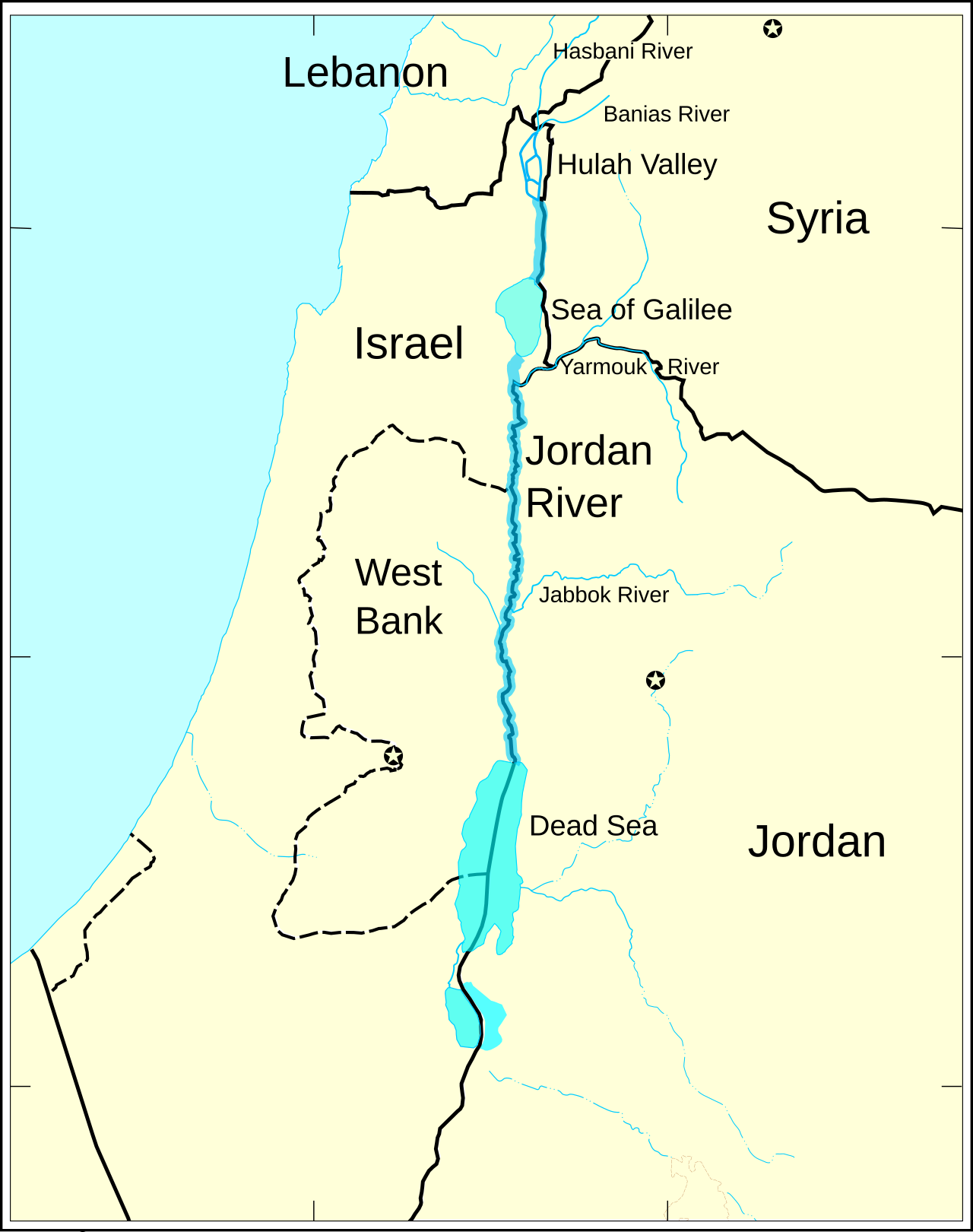
As you see, water flows southward from the Sea of Galilee to the Dead See via the Jordan River. Source.
Location of the Sea of Galilee
The Sea of Galilee is in the northeastern region of modern-day Israel, about:
21 kilometers (13 miles) long
13 kilometers (8 miles) wide
Surrounded by the Golan Heights to the east and the Galilean hills to the west
It sits approximately 209 meters (686 feet) below sea level, making it the lowest freshwater lake on earth.
Key Surrounding Cities:
Tiberias (southwest shore)
Capernaum (northwest shore)
Bethsaida (northeast region)
Magdala (western side)
Biblical Events at the Sea of Galilee
1. Calling of the Disciples
Matthew 4:18–22 – Jesus calls Simon Peter, Andrew, James, and John as they fish in the Sea of Galilee.
2. Jesus Calms the Storm
Mark 4:35–41 – While crossing the lake, Jesus rebukes the wind and calms the waves.
3. Jesus Walks on Water
Matthew 14:22–33 – Jesus walks on the lake toward the disciples' boat.
4. Feeding of the 5,000
Luke 9:10–17 – Near Bethsaida, on the northern shore, Jesus feeds the multitude.
5. Post-Resurrection Appearance
John 21 – The risen Christ appears to his disciples on the shore and cooks breakfast.
The Sea of Galilee is more than a lake—it’s a symbol of calling, presence, provision, and peace.
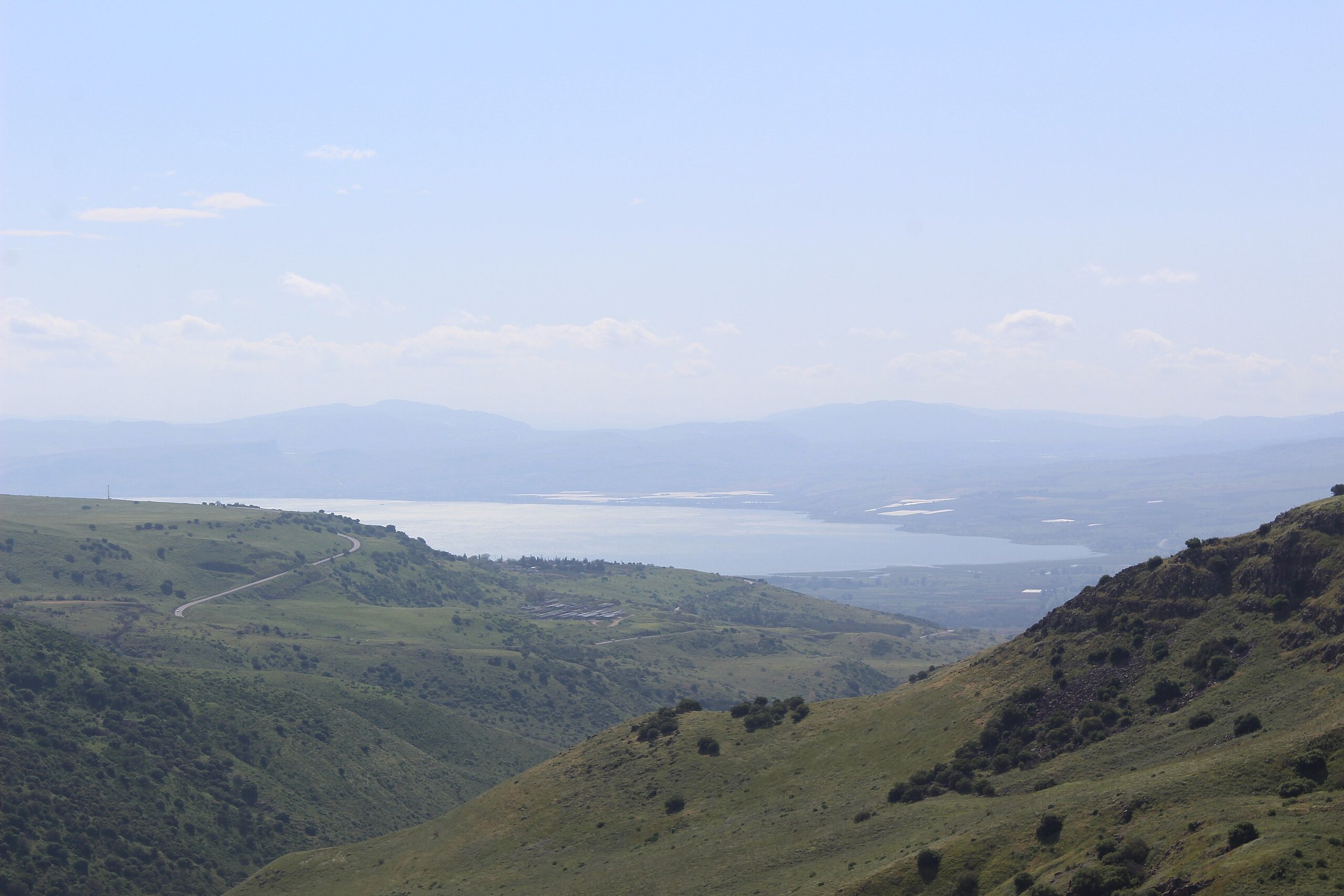
A view of the Sea of Galilee from Gamia. Source.
Modern Significance
Today, the Sea of Galilee is a major site for Christian pilgrimage. Visitors come to:
See the Church of the Beatitudes, commemorating the Sermon on the Mount.
Visit Capernaum, referred to as Jesus' “home base.”
Be baptized in the nearby Jordan River.
Ride replica fishing boats for reflection and prayer.
It's also a vital part of Israel’s water supply and tourism industry.
Geography and Hydrology
The lake is fed by:
The Jordan River from the north
Natural springs and winter runoff
It drains back into the Jordan River at its southern tip. The lake lies in a tectonic depression, which explains its low elevation and warm climate.
Symbolism and Meaning for Today
The Sea of Galilee is often associated with:
Calling and discipleship
Trust in times of fear
Provision in the wilderness
God's nearness in the ordinary
Many followers of Jesus find themselves "by the water's edge," called again to listen, follow, or rest.


